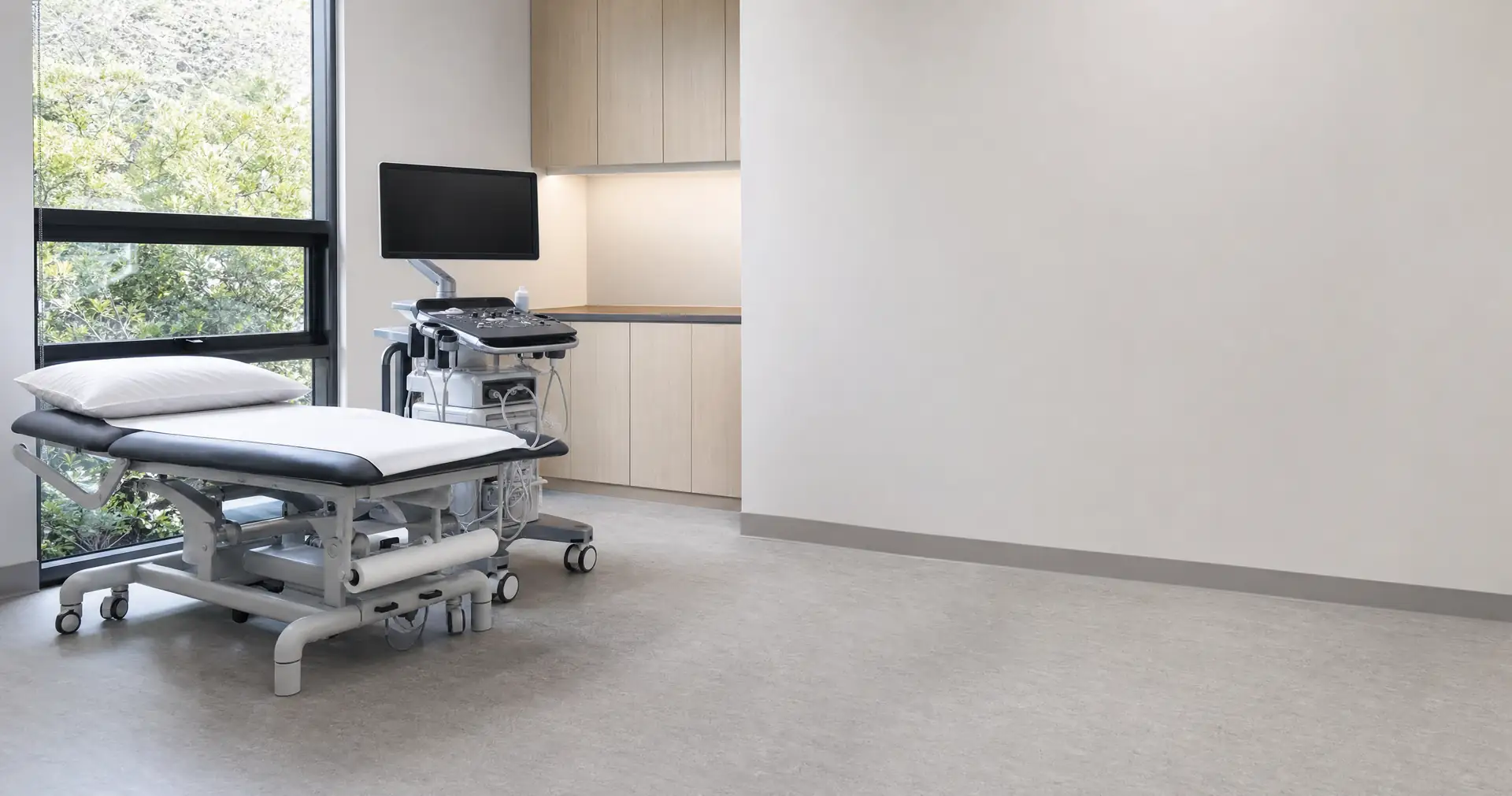
Medical equipment finance for New Zealand GP practices, specialists, surgical centres, radiology .
Medical equipment finance in NZ funds diagnostic, surgical, theatre, and imaging kit for GP practices, specialists, day-surgical centres, and radiology providers. Capex commonly runs $20,000 to $1,000,000-plus across ECG, ultrasound, X-ray, MRI, and ventilator equipment, with specialist pathways through Speirs Finance Healthcare, DLL Group, and Henry Schein Financial Services.
What you need to know about NZ medical equipment finance.
→Capex commonly $20K to $1M-plus depending on modality GP diagnostic kit $20K to $80K, ultrasound $60K to $250K, theatre and surgical $150K to $600K, larger imaging (CT, MRI) $300K to $3M-plus.
→MedSafe registration applies to many devices Medsafe (a business unit of the Ministry of Health) administers therapeutic-product oversight for medical devices in NZ. Lenders commonly want device class confirmation.
→Specialist pathways via Speirs Finance Healthcare, DLL Group, Henry Schein FS Henry Schein Financial Services publishes a starting limit up to $500,000 for medical-equipment bundles. DLL Group operates branded medical and dental finance programmes in NZ.
→ACC and Health NZ contract revenue inform serviceability ACC cover under the Accident Compensation Act 2001, Health New Zealand contracts, Southern Cross and NIB rebates, and private-pay together shape the recurring revenue lenders assess.
The landscape
Medical equipment finance covers GP diagnostics through to MRI suites.
New Zealand medical equipment finance spans a wide capex range, from a $4,000 12-lead ECG in a Hamilton GP practice to a $2,400,000 1.5T MRI scanner in a regional radiology suite. The unifying feature is that the equipment is a medical device, with many devices subject to MedSafe oversight under the Ministry of Health framework administered through Medsafe (the New Zealand Medicines and Medical Devices Safety Authority, a business unit of the Ministry of Health). Some classes (general examination kit, lower-risk diagnostics) carry lighter regulatory profiles; higher-risk classes (implantables, certain surgical and theatre kit, novel imaging) carry tighter device-class assessment.
Asset choice tracks the practice profile. GP and urgent-care diagnostics commonly include 12-lead ECG, spirometry, otoscopes, examination lamps, sphygmomanometers, and point-of-care testing kit (HbA1c, INR, urinalysis). Ultrasound is widely deployed across general practice (point-of-care abdominal and obstetric), obstetrics and gynaecology (3D/4D), musculoskeletal, vascular, and cardiology specialist practices. Surgical and theatre kit at day-surgical centres includes anaesthetic machines (Drager, GE, Mindray), ventilators, theatre lights, electrosurgical units, patient monitors, and operating tables. Larger imaging sits across general radiography X-ray rooms, fluoroscopy, CT scanners, and MRI scanners, commonly at radiology providers and hospital-based services.
ACC contract revenue under the Accident Compensation Act 2001 (the no-fault accident-cover scheme) is a recognisable recurring revenue line for many medical practices, alongside private-pay consult fees, Southern Cross and NIB health-insurer rebates, Health New Zealand contracts (general practice capitation, specialist contracts), and Ministry of Health-funded screening or vaccination programmes. Lenders reviewing serviceability commonly consider ACC and Health NZ contract revenue alongside private-pay flow as a stable underwriting line. Specialist healthcare pathways include Speirs Finance Healthcare (documented healthcare specialism), DLL Group (operating in NZ as a vendor-finance specialist behind branded medical and dental finance programmes), and Henry Schein Financial Services (with a published starting limit up to $500,000 for medical-equipment bundles alongside their NZ medical-supply business). The bank medical-finance teams (BNZ Partners, ANZ Business, ASB, Westpac) and Heartland Bank cover the larger acquisition, theatre-fitout, and imaging-suite end.
GP / specialist diagnostics
$20K to $80K
Ultrasound / point-of-care imaging
$60K to $250K
Theatre / day-surgical kit
$150K to $600K
Larger imaging (CT, MRI)
$300K to $3M+
Medical equipment scenarios
Four common NZ medical equipment finance scenarios.
Most medical-equipment finance applications fall into one of four patterns. Each pattern has a typical loan amount, structure, and lender pool.
GP or urgent-care diagnostic refresh
Established GP or urgent-care practice refreshing diagnostic kit at end-of-life. ECG, spirometry, otoscope, examination lamps, point-of-care testing. Single chattel mortgage on a 4 to 5 year term against the bundled equipment.
·Loan amount: $20K to $80K
·Term: 4 to 5 years
Specialist ultrasound or point-of-care imaging
GP point-of-care, obstetric, musculoskeletal, or vascular specialist adding an ultrasound (GE, Mindray, Philips) or imaging unit. Asset finance against the unit, often $60K to $250K. Henry Schein FS and Speirs Finance Healthcare common pathways.
·Loan amount: $60K to $250K
·Term: 5 years
Day-surgical theatre fitout
Day-surgical centre fitting out one or more theatres. Anaesthetic machine, ventilator, theatre lights, electrosurgical, patient monitor, operating table. Combined chattel mortgage and term loan, often $150K to $600K. Bank medical-finance team or Heartland.
·Loan amount: $150K to $600K
·Term: 5 to 7 years
Radiology X-ray, CT, or MRI suite
Radiology provider commissioning a general radiography X-ray room, fluoroscopy, CT, or MRI scanner. Larger imaging asset commonly $300K to $3M-plus. Relationship-managed bank facility with staged drawdowns tied to install and commissioning milestones.
·Loan amount: $300K to $3M+
·Term: 5 to 7 years
What medical practices borrow for
Six common NZ medical equipment finance purposes.
Medical-equipment lending volume falls into six common purposes. Each has a typical structure that fits.
GP and specialist diagnostics
12-lead ECG, spirometry, otoscope, examination lamps, sphygmomanometers, point-of-care HbA1c and INR. Common at GP, urgent-care, and specialist consult rooms. Bundled chattel mortgage at $20K to $80K.
Ultrasound and point-of-care imaging
GE, Mindray, Philips ultrasound for GP point-of-care, obstetrics, musculoskeletal, vascular, cardiology. Asset finance against the unit, often $60K to $250K. MedSafe device-class confirmation common in the application file.
General radiography X-ray rooms, fluoroscopy, CT scanners, MRI scanners. Radiology providers and hospital-based services. Relationship-managed bank facility with staged drawdowns at $300K to $3M-plus.
Sterilisation, autoclave, and theatre support
Class B autoclaves (Melag, W&H, Tuttnauer), washer-disinfectors, instrument trays, sterile-supply room kit. Common at day-surgical centres, dental, and specialist procedure rooms.
Practice management and clinical IT
Practice-management software, clinical IT infrastructure, dictation kit, patient-call systems, electronic prescribing integration. Often financed on a 3-year term alongside the main equipment finance.
Tax, GST, and depreciation
How GST and IRD depreciation typically work on medical equipment.
A GST-registered medical practice can typically claim the GST component on diagnostic kit, ultrasound, theatre equipment, and imaging assets as input tax in the relevant GST return, subject to the accountant's confirmation. Where the equipment is acquired under chattel mortgage, the full GST is typically claimable upfront. Where it is acquired under finance lease or operating lease, GST is typically claimed across the rental payments. IRD publishes asset-class depreciation rates for medical equipment, surgical instruments, and imaging plant; rates differ between higher-turnover diagnostic equipment and longer-life imaging assets. The GST treatment of medical services is mixed in NZ: most medical and surgical services to private patients are GST-zero-rated or exempt under the Goods and Services Tax Act 1985, while some allied health and cosmetic services are standard-rated, which affects the input-tax claim profile on equipment used across mixed services. The accountant is the right person to confirm structure choice, depreciation class, and the input-tax claim position on the specific practice.
Medical equipment finance bands
Indicative NZ medical equipment finance bands.
Medical equipment pricing varies by spec, brand, modality, and configuration. The bands below are observed across the NZ medical-equipment finance pool in 2026.
Asset category
Indicative price
Common term
Typical lender pool
12-lead ECG, spirometry, examination kit (bundle)
$20K to $80K
4 to 5 years
Speirs Finance Healthcare, Heartland, bank tier
Ultrasound (GE, Mindray, Philips)
$60K to $250K
5 years
Speirs Finance Healthcare, DLL Group, Henry Schein FS, bank tier
Anaesthetic machine + ventilator (theatre kit)
$80K to $200K
5 to 7 years
Bank medical-finance teams, Heartland, Speirs Finance Healthcare
Day-surgical theatre fitout (combined)
$150K to $600K
5 to 7 years
BNZ Partners, ANZ, ASB, Westpac, Heartland
General radiography X-ray room
$200K to $450K
5 to 7 years
Bank medical-finance teams, Speirs Finance Healthcare
CT scanner
$600K to $1.4M
5 to 7 years
Bank medical-finance teams (relationship-managed)
MRI scanner (1.5T)
$1.4M to $3M+
7 years
Bank medical-finance teams (relationship-managed)
Class B autoclave (Melag, W&H, Tuttnauer)
$10K to $35K
4 to 5 years
Heartland, UDC, Speirs Finance Healthcare
Indicative bands only. Actual price depends on spec, configuration, install complexity, and supplier. Final rate, fee, and approval decisions are made by the lender after assessment.
Specialist pathways vs bank vs vendor finance
Speirs Finance Healthcare vs bank medical-finance team vs Henry Schein FS bundle.
The pathway choice tracks asset value, practice stage, and whether the equipment is bundled with supplier purchase. Speirs Finance Healthcare publishes a documented healthcare specialism; Henry Schein FS bundles equipment finance alongside its supply business; bank medical-finance teams dominate the larger relationship-managed end.
Feature
Speirs Finance Healthcare
Bank medical-finance team
Henry Schein Financial Services bundle
Typical loan amount
$30K to $400K
$200K to $3M+
$30K to $500K (published starting limit)
Asset focus
Medical, dental, optometry, allied health
Larger imaging, theatre fitout, acquisition
Equipment bundles supplied by Henry Schein NZ
Financial statements required
Yes, established practice; published flexibility for first-time principals
Yes, 2 to 3 years for relationship-managed
Published reduced-documentation profile up to starting limit
Best fit
Established medical, dental, allied-health practice
Larger acquisitions, theatre suites, imaging
Equipment bundles purchased through Henry Schein
Speed of decision
Specialist pathway, commonly faster
1 to 3 weeks on relationship-managed
Fast on bundled supplier purchase
Vendor or independent
Independent NZ-licensed lender
Independent NZ bank
Vendor-finance pathway alongside Henry Schein supply
How it works
A typical NZ medical equipment finance application.
Medical-equipment applications carry a practitioner-registration and device-class verification step that generic equipment finance does not. Established practices with multi-year trading and registered practitioner principals move faster.
01
Day 1 to 7
Define the asset spec and clinical use
A typical medical-equipment project combines the equipment (diagnostic kit, ultrasound, theatre or imaging asset) with installation, commissioning, calibration, and (where applicable) MedSafe device-class confirmation. Some projects include practice-management software and clinical IT integration alongside.
Submit application with practice and practitioner documents
Beyond the standard SME application pack, medical-equipment lenders ask for practitioner registration evidence under the Health Practitioners Competence Assurance Act 2003 (Medical Council of New Zealand for medical practitioners, equivalent registration body for nurse practitioners or specialist scopes), the lease deed for the premises, recent practice trading data (typically 2 to 3 years for established practices), and confirmation of indemnity insurance. ACC and Health NZ contract evidence commonly supports the serviceability line.
Documents commonly required
·NZBN, business owner ID
·Last 12 to 24 months business bank statements
·Last 2 years financial statements (established practice)
·Practitioner registration evidence (MCNZ or equivalent)
·Practice indemnity insurance confirmation
·Lease deed for premises
·ACC contract or Health NZ contract evidence (where applicable)
Lenders assess against three things: the security position on the equipment (LVR after deposit and any trade-in), the trading data and contract revenue mix supporting serviceability (private-pay, ACC, Health NZ, insurer rebate), and the practitioner profile (registration scope, prior trading, indemnity). Offers commonly come back with conditions: deposit, additional security, indemnity-insurance assignment, or staged drawdowns for theatre fitouts and imaging-suite installs.
04
Week 2 to 24
Settle, register PPSR, install and commission
Asset finance settles directly to Henry Schein NZ, the equipment manufacturer, or installer. The lender registers a security interest on the Personal Property Securities Register (PPSR) for each financed asset. Installation, calibration, and (where applicable) MedSafe device-class commissioning by the supplier engineer. Theatre fitout installs run 4 to 12 weeks; CT and MRI suites run 8 to 24 weeks including building works and commissioning.
A medical-finance broker familiar with practitioner registration, MedSafe device classes, ACC contract structure, and the bank medical-finance team underwriting commonly tightens the indicative rate band and reduces the documentation cycle versus a direct application to a generic SME lender.
Worked scenarios
Three NZ medical equipment finance scenarios.
Real-world structures across GP diagnostic refresh, specialist ultrasound, and day-surgical theatre fitout. Each illustrates how practitioner registration, contract revenue mix, and asset class shift the offered structure.
Established 4-GP practice refreshing end-of-life diagnostics
Hamilton GP diagnostic kit refresh
A Hamilton GP practice with 4 GPs and 12 years of trading refreshing the diagnostic kit at end-of-life across two consult rooms. Total project $58,000 ex-GST: $14,000 12-lead ECG, $9,000 spirometry, $8,000 examination lamps and otoscope sets, $12,000 point-of-care HbA1c and INR analysers, $15,000 patient monitor and sphygmomanometer kit.
Structure agreed with Speirs Finance Healthcare under their documented healthcare-specialism pathway: chattel mortgage on the bundled diagnostic equipment ($58,000, 5-year term, indicative 9-11% per annum). Existing 12 years of practice trading and Health NZ general practice capitation contract supported serviceability.
PPSR security interest registered against the equipment at settlement. Practitioner registration with the Medical Council of New Zealand confirmed for the practice principals. Old equipment removed by the supplier; new units commissioned and calibrated within 2 weeks.
Indicative figures
Total project
$58,000
Practice trading history
12 years
Indicative rate
9-11% p.a.
Lender
Speirs Finance Healthcare
Specialist sports-medicine practice adding point-of-care ultrasound
Tauranga musculoskeletal ultrasound acquisition
A Tauranga sports-medicine specialist practice with 6 years of trading adding a musculoskeletal ultrasound unit (GE LOGIQ E10) for in-clinic diagnostic and guided-injection use. Total project $185,000 ex-GST: $172,000 ultrasound unit fully kitted with high-frequency probes, $8,000 cart and ancillary, $5,000 install, calibration, and operator training.
Structure agreed with Henry Schein Financial Services under their published bundled equipment-finance pathway (with starting limit up to $500,000): chattel mortgage on the ultrasound ($185,000, 5-year term, indicative 8-10% per annum). ACC contract revenue covering accident-related musculoskeletal cover under the Accident Compensation Act 2001 supported the recurring revenue line; private-pay and Southern Cross rebate flow alongside.
PPSR security interest registered against the ultrasound at settlement. MedSafe device-class confirmation provided by GE NZ at commissioning. Practitioner registration with MCNZ in the relevant specialist scope confirmed. Operator training completed on day of install; first scans within 1 week of commissioning.
Indicative figures
Total project
$185,000
Ultrasound unit
$172,000
Indicative rate
8-10% p.a.
Lender
Henry Schein FS bundle
Established day-surgical centre adding a second theatre
Christchurch day-surgical theatre fitout
A Christchurch day-surgical centre with 9 years of trading adding a second theatre to support waitlist demand and a new specialist scope. Total package $480,000 ex-GST: $145,000 anaesthetic machine and ventilator (Drager Primus), $85,000 theatre lights and operating table, $65,000 electrosurgical and patient monitor kit, $95,000 sterilisation and instrument trays, $45,000 building services and theatre fitout, $45,000 practice-management software and clinical IT integration.
Structure agreed with BNZ Partners under existing medical-finance relationship: combined chattel mortgage on the theatre equipment and term loan on the fitout ($480,000 across the two facilities, 7-year term on equipment, 7-year term on fitout, indicative 8-10% per annum on the combined package). Existing 9 years of trading, ACC and Southern Cross rebate flow, and the specialist scope supported the relationship-managed underwriting.
PPSR security interest registered against each financed asset at the relevant stage. MedSafe device-class confirmation provided for the anaesthetic machine, ventilator, and electrosurgical units. Theatre fitout commissioned over 10 weeks including building services, install, and full commissioning. First operating list scheduled within 14 weeks of facility approval.
Indicative figures
Total package
$480,000
Theatre equipment
$340,000
Fitout and IT
$140,000
Indicative blended rate
8-10% p.a.
NZ medical equipment finance lenders
Lenders that fund NZ medical equipment projects well.
Several NZ lenders carry deep familiarity with the medical-equipment finance segment. The shortlist below is editorial.
Indicative shortlist. Final rate, fee, and approval decisions are made by each lender after assessment. DLL Group operates in NZ as a vendor-finance specialist behind branded medical and dental finance programmes (including the Dentec dental pathway), and Henry Schein Financial Services publishes a starting limit up to $500,000 for medical-equipment bundles alongside their NZ medical-supply business; both are vendor-finance routes rather than independent NZ-licensed lenders, so are not included in the editorial NZ-lender shortlist above.
Where medical equipment finance fits
When medical equipment finance is straightforward, and when it gets harder.
Where it works smoothly
·Established practice with 12+ months of trading and registered practitioner principals
·Equipment from recognised manufacturers (GE, Mindray, Philips, Drager, Henry Schein supply)
·MedSafe device-class status confirmed for higher-risk equipment
·Practitioner registration current with MCNZ, NCNZ, or relevant scope body under HPCAA 2003
·Mixed revenue base across private-pay, ACC, Health NZ contracts, and insurer rebates
·Premises lease at least matching the loan term (where the asset is integrated into the building)
Where it gets harder
·New-graduate first-practice principal with no trading history (specialist DLL programmes can apply)
·Imported devices without confirmed MedSafe device-class status for higher-risk classes
·Bespoke or specialist equipment with thin secondary-market resale
·Practice indemnity insurance lapsed or scope under question
·Heavy reliance on a single contract revenue source without diversification
Medical equipment finance, NZ small-business questions answered
How much does medical equipment finance typically run in NZ?
NZ medical-equipment finance commonly runs from $20,000 at the GP diagnostic-bundle end to $3,000,000-plus at the MRI scanner end. A GP or urgent-care diagnostic refresh (ECG, spirometry, examination kit, point-of-care testing) commonly sits at $20,000 to $80,000. An ultrasound unit (GE, Mindray, Philips) for GP point-of-care, obstetrics, musculoskeletal, vascular, or cardiology specialist use commonly sits at $60,000 to $250,000. A day-surgical theatre fitout (anaesthetic machine, ventilator, theatre lights, electrosurgical, monitors, table) commonly sits at $150,000 to $600,000. Larger imaging assets (general radiography X-ray, fluoroscopy, CT, MRI) sit at $300,000 to $3,000,000-plus.
Does MedSafe registration apply to all medical equipment financed in NZ?
Medsafe (a business unit of the Ministry of Health) administers medical-device oversight in NZ. Many devices carry a notification and device-class assessment requirement; some lower-risk classes (general examination kit, basic diagnostics) carry lighter regulatory profiles, while higher-risk classes (implantables, certain surgical and theatre equipment, novel imaging) carry tighter device-class assessment. Lenders financing higher-risk classes commonly want device-class status confirmed in the application file. Medsafe publishes the device-classification framework and the notification process under the Therapeutic Products Act and Medicines Act framework.
What is the Speirs Finance Healthcare pathway?
Speirs Finance is a NZ specialist asset-finance lender with a documented healthcare specialism covering medical, dental, optometry, and allied-health practices. The Healthcare pathway suits established practices on chattel mortgage across diagnostic kit, ultrasound, theatre and surgical equipment, and clinical fitout typically in the $30,000 to $400,000 range. The pathway publishes flexibility for first-time principals where 2 to 3 years of historical practice trading data does not yet exist, supported by practitioner registration evidence and personal guarantee. Final rate and approval are set by Speirs Finance after assessment.
Does Henry Schein offer finance on medical equipment in NZ?
Henry Schein Financial Services publishes a medical-equipment finance pathway alongside the Henry Schein NZ medical-supply business, with a published starting limit up to $500,000 for medical-equipment bundles. The pathway is commonly used to bundle ultrasound, diagnostic kit, sterilisation equipment, and ancillary kit into a single facility settled directly to Henry Schein. The pathway is a vendor-finance route rather than an independent NZ bank or non-bank lender; final terms are set by the underlying funder under its own assessment. The bank medical-finance teams (BNZ Partners, ANZ, ASB) and Speirs Finance Healthcare cover the broader independent-lender pool.
How does ACC contract revenue affect a medical equipment loan application?
ACC contract revenue, paid under the Accident Compensation Act 2001 no-fault accident-cover scheme administered by ACC, is a recognisable recurring revenue line for many NZ medical practices alongside private-pay, Southern Cross and NIB insurer rebates, and Health New Zealand contracts. Lenders reviewing serviceability commonly consider ACC and Health NZ contract flow as a stable underwriting line because the funder is a NZ public-sector entity rather than individual patients. Practices with a significant ACC mix (sports-medicine, musculoskeletal, urgent care, certain surgical scopes) commonly access tighter pricing supported by the documented ACC revenue.
Can I claim GST on medical equipment financed under chattel mortgage?
A GST-registered medical practice can typically claim the GST component on diagnostic, ultrasound, theatre, and imaging equipment acquired under chattel mortgage as input tax in the relevant GST return, subject to the accountant's confirmation. Where the equipment is acquired under chattel mortgage, the full GST is typically claimable upfront. Where it is acquired under finance lease, GST is typically claimed across the rental payments. The GST treatment of medical and surgical services is mixed in NZ under the Goods and Services Tax Act 1985: most medical and surgical services to private patients are GST-zero-rated or exempt while some allied health and cosmetic services are standard-rated, which affects the input-tax claim profile across mixed services. The accountant is the right person to confirm the position on the specific practice.
What is the typical loan term for medical equipment in NZ?
NZ medical equipment commonly attracts 4 to 7 year loan terms depending on asset class. Diagnostic kit (ECG, spirometry, examination) commonly runs 4 to 5 year terms reflecting useful-life turnover at high-volume practices. Ultrasound and point-of-care imaging commonly run 5 year terms. Theatre and surgical kit, X-ray, CT, and MRI imaging commonly run 5 to 7 year terms reflecting longer asset life. Lenders commonly will not write a term that exceeds the practical residual life of the equipment, and imaging-suite installs integrated into a leased building typically need a lease term at least matching the loan term.
What rate range applies to NZ medical equipment finance in 2026?
Indicative rates on NZ medical-equipment finance commonly sit in the 7% to 14% per annum band depending on structure, security, and practice profile. Bank medical-finance teams (BNZ Partners, ANZ Business, ASB, Westpac) price the lowest band on relationship-managed established practices (commonly 7-10%). Specialist healthcare lenders such as Speirs Finance Healthcare and Heartland Bank sit at 8-12%. Vendor-finance pathways through Henry Schein FS and DLL programmes sit in similar bands to specialist healthcare. Unsecured top-ups for ancillary kit and clinical IT sit higher (commonly 11-14%). Final rate is set by the lender after assessment.
How is a CT or MRI scanner typically financed in NZ?
CT and MRI scanners (commonly $600,000 to $3,000,000-plus) are typically financed as relationship-managed bank facilities through the medical-finance teams at BNZ Partners, ANZ Business, ASB, or Westpac. Structure commonly combines a chattel mortgage on the scanner with a term loan covering the building works (RF-shielded room for MRI, lead-shielded room for CT, install services). Drawdowns are commonly staged across deposit, building works milestones, scanner install, and commissioning over an 8 to 24 week window. Scanner manufacturers (Siemens Healthineers, GE HealthCare, Philips, Canon Medical) commonly run vendor-finance pathways alongside, but the mainstream NZ structure is the bank-led relationship facility given the asset value.
What practitioner registration do lenders look at on a medical equipment application?
Practitioner registration under the Health Practitioners Competence Assurance Act 2003 is a precondition every medical-equipment lender review takes for granted. The Medical Council of New Zealand (MCNZ) registers medical practitioners; the Nursing Council of New Zealand (NCNZ) registers nurse practitioners; specialist bodies cover scopes such as dentistry (DCNZ), optometry (ODOB), pharmacy, and allied health. Lenders ask for current registration evidence in the relevant scope alongside the practice indemnity insurance confirmation. Practices operating across multiple scopes commonly include registration evidence for each principal in the file.
What happens to financed medical equipment if the practice closes?
Where medical equipment is financed under chattel mortgage and the practice closes before the loan is repaid, the lender typically has a security interest registered on the Personal Property Securities Register (PPSR) and can take possession of the equipment to recover the outstanding balance. Any shortfall between resale value and balance owing typically falls to the borrower and any personal guarantor. Recognisable diagnostic equipment from established manufacturers (GE, Mindray, Philips, Drager, Henry Schein supply) retains identifiable secondary-market value through medical-equipment dealers and refurbishers. Bespoke or specialist equipment commonly has a thinner resale market. Lenders commonly work with practices to restructure repayments before resorting to repossession.
Can a new-graduate first practice principal access medical equipment finance?
New-graduate first-practice principals face a tighter approval profile than established practices because historical trading data does not exist. DLL Group operates branded medical and dental finance programmes in NZ that publish reduced-documentation pathways for first-time principals (the Dentec dental pathway publishes terms up to $500,000 with no historical financial statements requirement). Speirs Finance Healthcare publishes flexibility for first-time principals supported by practitioner registration evidence and personal guarantee. The bank tier typically engages once 12 to 24 months of practice trading data is available. Practitioner registration evidence and indemnity insurance are non-negotiable across all pathways.
Can existing medical equipment finance be refinanced once trading data builds?
Yes. Established medical practices with 24 to 36 months of clean trading data commonly refinance medical-equipment finance from specialist or vendor-finance pricing into bank-tier medical-finance team pricing, particularly where the relationship is being consolidated under a single banking provider alongside working-capital and property facilities. Refinancing is also commonly used to consolidate multiple equipment loans (diagnostic chattel mortgage, ultrasound finance, IT finance) into a single facility, or to release equity to fund a theatre fitout or imaging-suite expansion. Early-repayment fees on the original loans and the practitioner registration and indemnity status are the main considerations.
Do lenders require service contracts on financed medical equipment?
Some lenders ask for evidence of an ongoing manufacturer service contract on financed ultrasound, anaesthetic machines, ventilators, and imaging assets, particularly at the larger theatre-kit and imaging-suite end. The service contract supports calibration and (where applicable) MedSafe device-class compliance and helps preserve the lender's security position by maintaining the asset's resale value. Bank medical-finance teams commonly require service-contract evidence on CT and MRI scanners as a condition of facility drawdown. Stand-alone diagnostic chattel mortgages typically do not require a separate service contract.
Are sterilisation autoclaves financed alongside the main medical equipment?
Yes. Class B autoclaves (Melag, W&H, Tuttnauer) and washer-disinfectors are commonly financed alongside the main diagnostic, ultrasound, or theatre kit as part of a bundled chattel mortgage, with autoclaves typically sitting at $10,000 to $35,000 and washer-disinfectors at $15,000 to $55,000. Sterilisation equipment is a clinical-compliance asset class for any practice running invasive procedures (dental, day-surgical, certain specialist scopes) and is commonly required as part of the practice setup or expansion finance. Heartland Bank, UDC Finance, and Speirs Finance Healthcare commonly fund this alongside the main equipment finance.
Indicative content only. Not personalised financial advice.
A business loan is a commitment that runs for months or years, and repayments come out of the same operating cash flow as everything else. Before committing, it is worth modelling the weekly and monthly cost against the business's working-capital position, which is what this site is built to help with. Borrowing at a level that stays comfortable through a quiet quarter, not just a strong one, is widely regarded as the safer frame.
What this site is
A calculator and information tool. Not a lender, not a broker, not a registered financial adviser. Nothing here is personalised financial advice.
What the figures show
Modelled estimates based on the inputs you enter. Not a quote. Not an offer of credit. Not a guarantee of approval, rate, or fees.
What the lender decides
Final rates, fees, and approval are set by the lender after a CCCFA-appropriate assessment of the applicant's circumstances and credit decision.
Commercial disclosure
Businessloans.org.nz earns a commission from Prospa when a visitor applies through this site and their application is approved. The commission is paid by Prospa, not by the borrower, and it does not influence the rate Prospa offers. Full disclosure on the partner page.
Tax, GST, and accountant framing
Tax-treatment statements (GST claim timing, interest deductibility, depreciation rates) are general in nature and subject to your accountant's confirmation on the specific business position. For material amounts, professional advice from a registered financial adviser or chartered accountant is widely regarded as the safer frame.