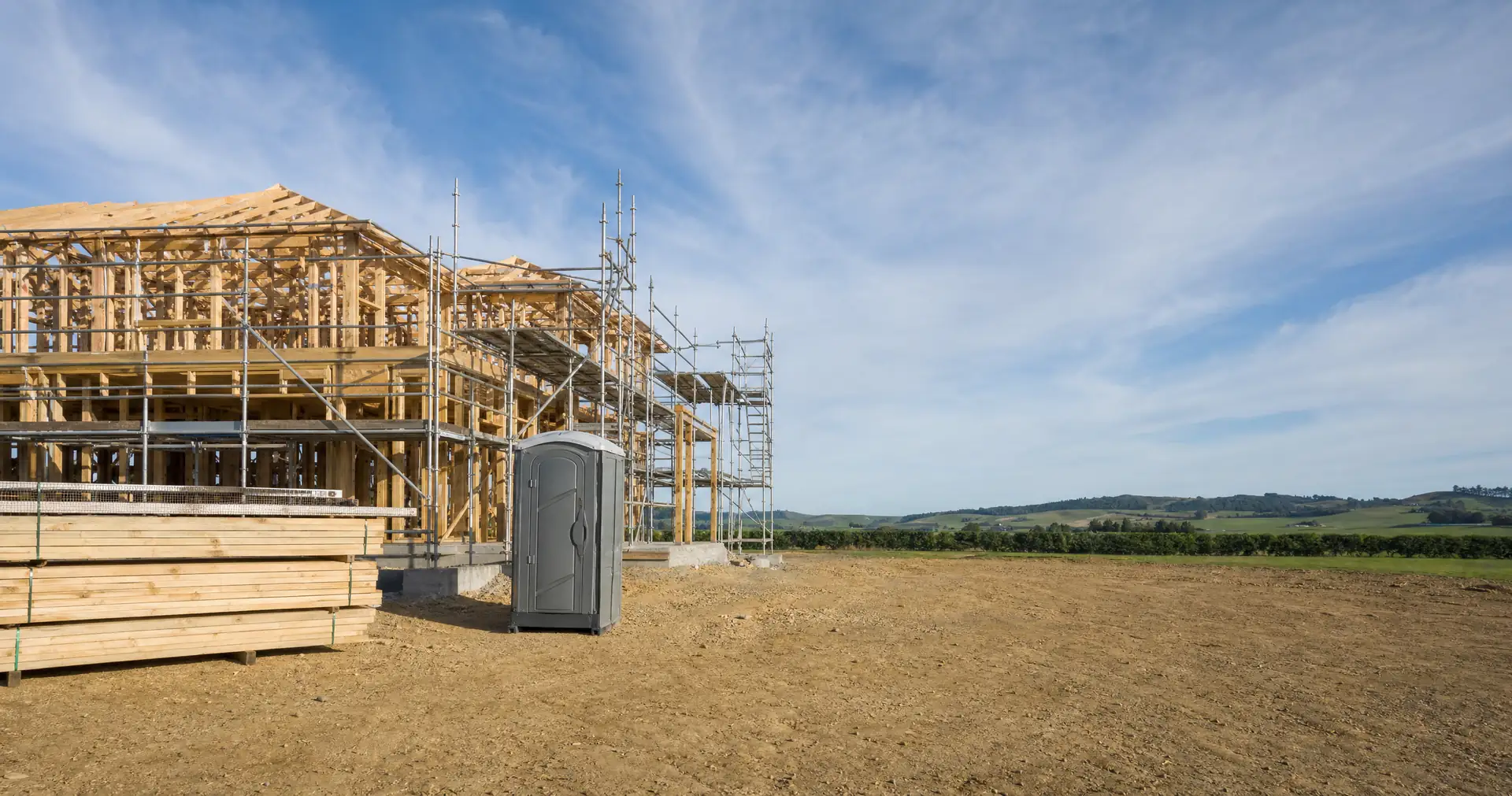
Business loans for New Zealand construction and trades.
Builders, electricians, plumbers, drainlayers, and roofers borrow against progress-payment cash flow, retentions held for 12 months post-PC, and capex-heavy plant. Lenders commonly weight LBP licensing, BCATS apprentice arrangements, and the operator's record across a full project cycle.
7 dedicated guides covering the eligibility quirks, capex bands, lender mix, and worked NZ scenarios that matter for each sub-segment of construction & trades.
What you need to know about construction and trades finance in NZ.
→Vehicles and plant drive most asset finance utes, work vans, tipper trucks, excavators, and scissor lifts commonly financed via chattel mortgage on 4 to 7-year terms.
→Progress-payment cash flow is the working-capital pressure point monthly claims, retentions held for 12 months post-PC, and slow-paying head contractors all feed lender working-capital reviews.
→Licensed Building Practitioner status matters LBP licensing for Restricted Building Work is widely treated by lenders as a positive operator signal for residential builders.
→Trade-credit account history feeds the lender file Bunnings Trade, PlaceMakers, ITM, and Mitre 10 Trade payment patterns are commonly referenced as a working-capital signal.
The landscape
A capex-heavy segment shaped by progress payments and retentions.
New Zealand construction is one of the country's largest sectors. MBIE Construction Sector Accord material and Stats NZ Business Demography figures show a sustained population of registered building, specialist trade, and civil construction operators. Stats NZ Industry Production data attributes roughly 10% of GDP to the sector across residential, commercial, and infrastructure work, and the workforce represents a meaningful share of national employment per Stats NZ Household Labour Force Survey reporting.
The structures that fit construction most cleanly are chattel-mortgage asset finance for utes, vans, and plant; a line of credit or invoice finance to bridge the gap between progress claims and supplier payments; and a term loan for premises fit-out or trade-shop expansion. Lenders that play in this space include UDC Finance, Heartland Bank, MTF Finance, Avanti Finance, Prospa, the major banks for property-secured operators, and a small number of construction-aware brokers.
Lender posture on construction is shaped by the progress-payment cycle and the retention regime. Head contractors commonly hold 5% to 10% retention against subcontractor invoices, with half typically released at Practical Completion and the balance held 12 months for the defects liability period. Operators with disciplined retention tracking, clean payment patterns through Bunnings Trade and PlaceMakers, and verified pipeline of contracted work commonly attract a tighter indicative rate band than newer operators with concentrated client exposure.
The NZ construction segment also carries a meaningful apprenticeship and workforce dynamic. Many operators contribute to apprentice training through the BCITO levy or direct apprenticeship arrangements administered through Te Pūkenga, and lender reviews commonly reference apprentice intake and continuity as part of the operator profile. Industry bodies including Master Builders, Certified Builders, the Registered Master Builders Association, Civil Contractors NZ, and Site Safe each play a role in shaping the operator-signal picture lenders use when reviewing applications.
Tradie ute or van finance
$45K to $120K
Plant and machinery
$60K to $500K+
Progress-payment working capital
$25K to $250K
Scaffolding stock build
$80K to $400K
Sub-segments
How NZ construction and trades operators borrow, by sub-segment.
Construction is not one segment; it is several. Each sub-segment has its own typical loan amounts, common purposes, and regulatory framing.
Residential builders
Group-housing and bespoke-build operators. Capex tied to utes, site huts, scaffolding, and on-site tooling. Licensed Building Practitioner (LBP) status carried by site supervisor and key staff. BCATS apprenticeship levies and Master Builders or Certified Builders memberships common.
·Loan amount: $50K to $400K
·Term: 4 to 7 years
Commercial builders
Multi-storey, fit-out, and commercial new-build operators. Capex profile higher than residential: site offices, larger cranes or hire arrangements, scaffolding stock. Progress payments under NZS 3910 or NZS 3915 contracts shape the cash flow.
·Loan amount: $150K to $1M+
·Term: 5 to 10 years
Electricians
Registered Electrical Workers under the Electricity Act 1992. Capex tied to vans, test equipment, cable trailers, and core tooling. Working capital pressure from supplier accounts at Ideal Electrical or J A Russell. EWRB practising licence status feeds the lender file.
·Loan amount: $40K to $200K
·Term: 4 to 6 years
Plumbers, gasfitters, drainlayers
Plumbers Gasfitters and Drainlayers Board (PGDB) registered. Capex tied to vans, drain-cleaning rigs, CCTV inspection cameras, hot-tap and gas-fitting tooling. Working capital affected by insurance-claim work timing.
·Loan amount: $40K to $250K
·Term: 4 to 6 years
Roofers and scaffolders
Working-at-height specialists. Capex weighted to vehicles (tipper trucks, crane trucks), edge-protection systems, and scaffolding stock for scaffolders. WorkSafe scaffolding Certificate of Competence required above 5 metres.
·Loan amount: $80K to $500K
·Term: 5 to 8 years
Civil contractors and earthworks
Excavator, loader, dump-truck, and roller fleet operators. Civil Trades Certification or Civil Contractors NZ membership common. Plant capex the largest single commitment. NZTA infrastructure and three-waters work shapes the pipeline.
·Loan amount: $120K to $1M+
·Term: 5 to 8 years
Common reasons
What NZ construction and trades businesses borrow for.
The bulk of NZ construction and trades lending volume falls into six common purposes. Each has a typical structure that fits.
01
Ute, van, or tipper purchase
Hilux, Ranger, Amarok, and Transit-class vehicles for site travel and crew transport. Tipper trucks for civil and roofing operators. Chattel mortgage on a 4 to 6-year term against the vehicle.
02
Plant and machinery
Excavators (5 to 20 tonne), scissor lifts, telehandlers, generators, compressors, and concrete plant. Chattel mortgage with longer terms (5 to 8 years) reflecting commercial-grade asset life. Often supplier finance arrangements via dealers like Goughs or Porter Group.
03
Tool and small-equipment refresh
Cordless tool platforms (Milwaukee, Makita, DeWalt), laser levels, mitre saws, table saws, dust extraction. Smaller-ticket asset finance or working-capital draw against the trade account.
04
Progress-payment working capital
Bridging the gap between subcontractor claims being submitted and head contractor payment landing. Line of credit or invoice finance against verified progress claims, repaid as payments come in.
05
Retention release timing
Retentions held for 12 months post-Practical Completion can tie up 5% to 10% of project value. Working-capital lines commonly bridge the retention period, repaid at the defects-liability release.
06
Premises and yard expansion
Commercial yard for plant storage, secure tool sheds, trade-shop fit-out for plumbing or electrical merchant operators. Term loan against personal property or commercial mortgage where freehold yard is owned.
Eligibility quirks
What construction lenders ask that other industries don't.
Beyond the standard NZBN, trading history, and turnover questions, NZ construction lenders commonly ask about licensing status, retention exposure, head-contractor concentration, and trade-credit account history.
Licensing and registration status
LBP for Restricted Building Work, EWRB for electricians, PGDB for plumbers and gasfitters, and WorkSafe Certificates of Competence for scaffolding above 5 metres. Lapsed licensing typically stops a finance application; current licensing supports it.
Retention exposure schedule
Lenders commonly ask for a schedule of retentions held against subcontract or head-contract work, including release timing for Practical Completion and defects-liability period. Concentration in a single head contractor is widely viewed as a higher-risk profile.
Head-contractor concentration
Subcontractors with one or two head-contractor clients face tighter lender review than those with diversified work. Construction Contracts Act 2002 protections (statutory demand, adjudication) are referenced where retention disputes arise.
Trade-credit account patterns
Bunnings Trade, PlaceMakers, ITM, Mitre 10 Trade, and Ideal Electrical account payment patterns are commonly part of the lender review. Clean 30-day or 60-day payment performance is widely treated as a positive working-capital signal.
Capex by sub-segment and region
Indicative construction capex bands by NZ region.
Auckland and Wellington plant and vehicle capex commonly runs 8% to 15% above regional NZ pricing for the same specification, primarily driven by dealer pricing, transport-on costs, and labour rates for fit-out. The bands below are observed across NZ construction finance applications in 2026.
Sub-segment
Auckland
Wellington / Christchurch
Regional NZ
Tradie ute (single, fitted-out)
$55K to $130K
$50K to $115K
$45K to $105K
Work van (Transit / Hiace class, racked)
$55K to $110K
$50K to $100K
$45K to $90K
Tipper truck (3 to 6 tonne)
$95K to $220K
$85K to $195K
$75K to $180K
Excavator (5 to 14 tonne)
$120K to $400K
$110K to $360K
$100K to $340K
Scissor lift / telehandler
$60K to $180K
$55K to $160K
$50K to $150K
Scaffolding stock (build out)
$120K to $500K
$100K to $440K
$80K to $380K
Trade-shop or yard fit-out
$140K to $450K
$120K to $400K
$95K to $340K
Indicative bands only. Actual cost depends on dealer pricing, vehicle or plant specification, age, fit-out complexity, and consenting timeline. Premium specialty operators can run materially higher.
Worked scenarios
Three NZ construction finance scenarios.
Real-world structures across an Auckland residential builder, a Wellington electrical contractor, and a Christchurch civil contractor, illustrating how the licensing profile and head-contractor mix shift the offered rate.
Residential building
Auckland residential builder fleet refresh
A West Auckland residential builder with 8 years trading and Master Builders membership refreshing two ageing utes and adding a third. Total fleet $230K ex-GST: two Ranger Wildtraks at $85K each and one Hilux SR5 at $60K, all with canopies and tool racking. LBP carpentry-licensed site supervisor.
Structure: $230K chattel mortgage on the fleet at indicative 10.5% across 5 years (asset life aligned to expected ute replacement). Operator's clean trading history, LBP licensing, and Master Builders membership tightened the rate band. Indicative weekly ~$1,135. GST claim of around $34,500 typically claimable in the next return, subject to the accountant's confirmation.
Indicative figures
Fleet value
$230,000
Term
5 years
Indicative rate
10.5% p.a.
Weekly indicative
~$1,135
GST claim (indicative)
~$34,500
Electrical contracting
Wellington electrical contractor working capital
A Lower Hutt electrical contractor working primarily as a subcontractor on commercial fit-outs across Wellington CBD. Six EWRB-registered electricians on staff. Progress claims commonly $80K to $150K monthly, with 8% retention held against each project and 60-day terms widely standard on head-contractor invoices.
Structure: $200K invoice finance facility advanced against verified progress claims at indicative 12% per annum plus per-invoice fees. Each verified claim drawn at around 80% on submission, balance released on payment. Trading history of 11 years, EWRB practising licences current, and stable head-contractor mix tightened the facility terms. Materially eased the gap between paying Ideal Electrical accounts and receiving payment.
Indicative figures
Facility
$200,000
Advance per invoice
~80% of value
Indicative rate
12% p.a.
Avg monthly claims
$80K to $150K
Retention held
8% of claim
Civil and earthworks
Christchurch civil contractor plant addition
A Christchurch civil contractor (10 years trading, Civil Contractors NZ member) adding a 14-tonne excavator and a 6-tonne tipper to support a contracted three-waters renewal pipeline with the city council. Total plant $360K ex-GST: $260K excavator and $100K tipper truck.
Structure: $360K chattel mortgage on the plant at indicative 9.5% across 7 years (commercial plant asset life supports the longer term). Contracted council pipeline and the operator's civil track record tightened the rate band. Indicative weekly ~$1,260. GST claim of around $54,000 typically claimable in the next return, subject to the accountant's confirmation.
Indicative figures
Plant value
$360,000
Term
7 years
Indicative rate
9.5% p.a.
Weekly indicative
~$1,260
GST claim (indicative)
~$54,000
Structure × purpose
Which loan structure fits which construction purpose.
No single structure suits every construction or trades purpose. The matrix below maps the four common structures to the most common purposes.
Feature
Asset / chattel mortgage
Term loan
Line of credit
Invoice finance
Utes, vans, tipper trucks
Best fit
Possible (smaller tickets)
No
No
Plant and machinery
Best fit
Marginal
No
No
Tool and small-equipment refresh
Best fit (smaller-ticket)
Possible
Possible
No
Progress-payment cash gap
No
Marginal (term too long)
Best fit
Best fit (verified claims)
Retention release bridge
No
Marginal
Best fit
Possible
Trade-shop / yard fit-out
Equipment portion only
Best fit
No
No
Scaffolding stock build
Best fit (asset-secured)
Possible
No
No
Regulatory framing
Construction-specific regulatory and tax items lenders weigh.
Construction operators sit under several NZ regulatory frameworks that lenders verify before disbursing. Residential builders carrying out Restricted Building Work (structural, weathertightness-critical, fire-safety) require a Licensed Building Practitioner under the Building Act 2004. Electricians require Electrical Workers Registration Board (EWRB) registration and a current practising licence under the Electricity Act 1992. Plumbers, gasfitters, and drainlayers require Plumbers Gasfitters and Drainlayers Board (PGDB) registration under the Plumbers, Gasfitters, and Drainlayers Act 2006. Scaffolders working above 5 metres require a WorkSafe Certificate of Competence. Lapsed licensing typically stops a finance application; current licensing supports it.
The Construction Contracts Act 2002 governs payment and retention regimes for commercial subcontract work in NZ. Retentions held under construction contracts must be held in trust per the 2017 amendments, with the head contractor required to identify and maintain retention monies. Lenders commonly ask subcontractor applicants for a schedule of retentions held, release timing, and any current adjudication or statutory demand activity. The 2024 retentions amendments further tightened protection, and operators with disciplined retention tracking carry a positive operator signal in lender reviews.
The Building and Construction Industry Training Organisation pathway (Te Pūkenga / Skills) administers BCATS and trade apprentice programmes. Many construction businesses contribute to apprentice training through the BCITO levy or direct apprenticeship arrangements, and lender reviews commonly reference apprentice intake as part of the operator profile. Master Builders, Certified Builders, Site Safe, and Civil Contractors NZ memberships are voluntary but widely treated as positive operator signals across the NZ construction credit market. The MBIE Construction Sector Accord framework underpins much of the sector dialogue around productivity, payment, and workforce.
IRD depreciation rates relevant to construction vary by category. Motor vehicles commonly depreciate at 30% diminishing value, light commercial vehicles also at 30%, plant and machinery (excavators, loaders, scissor lifts) commonly at 13% to 15.5%, and tools at 40% to 67% reflecting shorter replacement cycles. Scaffolding stock commonly depreciates at 13.5%. The accountant's confirmation is the standard last step on the depreciation schedule and the diminishing-value vs straight-line election. GST on vehicle, plant, and tool purchases is typically claimable in the next return after settlement under chattel mortgage, subject to the accountant's confirmation that the operator is GST-registered and the asset qualifies. Fringe benefit tax (FBT) commonly applies where utes are also used by directors or employees for private purposes, although the work-related vehicle exemption may apply where the ute is sign-written and home-to-work-only use is documented; the accountant's confirmation is the standard last step on FBT exposure. PPSR registration on financed assets is standard practice across construction asset finance.
WorkSafe NZ also plays a central role in the construction credit picture. Notifiable events under the Health and Safety at Work Act 2015, prohibition or improvement notices, and prosecution outcomes commonly feed lender reviews indirectly through the operator's credit file and reputation footprint. Site Safe membership, current Site Safety Plans, and contractor pre-qualification through SiteWise or Tōtika are widely treated as positive operator signals. The Building Act 2004 itself is reformed periodically, and recent MBIE consultation rounds have signalled potential changes around residential builder licensing and consumer protection that operators monitor through MBIE Building Performance updates.
Lenders to know
NZ lenders that fund construction and trades well.
Construction is supported by a mix of asset finance specialists (for vehicles and plant), alternative SME lenders (for working capital), invoice-finance providers, and the major banks (for property-secured larger projects).
Construction & trades finance, NZ small-business questions answered
How do New Zealand tradies commonly finance a ute or work van?
A typical NZ tradie ute or van runs $45,000 to $130,000 depending on model, fit-out, and tool racking. Operators commonly fund this through chattel mortgage against the vehicle, with terms of 4 to 6 years aligned to commercial-use asset life. UDC Finance, Heartland Bank, and MTF Finance are typical lenders, alongside dealer-tied finance from manufacturers. PPSR registration on the vehicle is standard practice, subject to the lender's settlement requirements.
How do progress payments and retentions affect a construction loan application?
Most NZ construction lenders ask for a schedule of work in progress, including outstanding progress claims, retentions held, and contracted pipeline. The Construction Contracts Act 2002 governs retentions in trust per the 2017 and 2024 amendments. Operators with concentrated head-contractor exposure or stretched payment cycles typically face tighter working-capital reviews than those with diversified clients and clean payment patterns through Bunnings Trade or PlaceMakers.
What licensing do construction lenders verify before disbursing?
Residential builders performing Restricted Building Work require a Licensed Building Practitioner under the Building Act 2004. Electricians require EWRB registration with a current practising licence. Plumbers, gasfitters, and drainlayers require PGDB registration. Scaffolders above 5 metres require a WorkSafe Certificate of Competence. Lenders commonly verify these before disbursing on equipment finance; lapsed licensing typically stops an application, current licensing supports it.
Can a brand-new sole-trader tradie access asset finance?
Sole-trader tradies with limited trading history can typically access asset finance, though deposit and personal-guarantee requirements are commonly tighter than for established multi-employee businesses. A clean credit file, current licensing (LBP, EWRB, or PGDB), and verified contracted work pipeline materially help the application. Indicative rates often sit at the upper end of the band until trading history extends beyond 12 to 24 months.
What rate range applies to NZ construction and trades finance in 2026?
Indicative rates on construction and trades finance commonly sit in the 7% to 18% per annum band depending on structure and operator profile. Property-secured commercial mortgages for established builders or civil contractors sit at the lower end. Asset-secured chattel mortgages on vehicles and plant sit in the middle band. Unsecured working capital and invoice-finance facilities sit at the upper end. Final rate is set by the lender after assessment.
Is GST claimable on a tradie ute or excavator purchase?
A GST-registered construction or trades business can typically claim the GST component on a vehicle, plant, or equipment purchase as input tax in the relevant GST return, subject to the accountant's confirmation. Where the asset is acquired under chattel mortgage, the full GST is typically claimable upfront. Where it is acquired under finance lease, GST is typically claimed across the rental payments. The structure choice affects cash-flow timing more than total cost.
How does fringe benefit tax apply to a tradie ute?
Where a ute is also used by directors or employees for private purposes, FBT commonly applies under IRD rules. The work-related vehicle exemption may apply where the ute is permanently sign-written, used only for work and home-to-work travel, and a written instruction prohibits private use. The accountant's confirmation is the standard last step on FBT exposure and the work-related vehicle election. Lenders typically do not assess FBT directly but the cash-flow impact feeds the borrower's coverage calculation.
Can invoice finance be used to bridge progress-payment gaps?
Yes. Construction subcontractors with verified progress claims against head-contractor projects commonly use invoice finance to advance against each verified claim, typically at 70% to 85% of the claim value, with the balance released on payment. This suits the gap between submitting a claim under NZS 3910 or NZS 3915 contracts and receiving payment, often 30 to 60 days. Subject to the lender's credit assessment and the head contractor's payment track record.
What deposit do NZ construction lenders typically require?
For asset finance on vehicles and plant, deposits commonly run 0% to 20% of the asset value depending on lender and operator profile. Established trades with multi-year trading history and clean licensing can often access zero-deposit asset finance on standard categories. Newer operators or single-employee businesses commonly face deposit requirements of 10% to 20%, alongside a personal guarantee from the director, subject to the lender's credit assessment.
How does retention exposure feed into working-capital lending?
Subcontractor retentions held against project value can tie up 5% to 10% of contract value across the build and 12-month defects-liability period. Lenders commonly ask for a schedule of retentions held, release timing, and current adjudication activity. Operators with disciplined retention tracking under the Construction Contracts Act 2002 trust regime carry a positive working-capital signal, and the schedule itself is widely treated as a serviceability data point.
Can scaffolding stock be financed as a single facility?
Yes. Scaffolders building out scaffold stock typically finance the build under chattel mortgage with the scaffolding registered on the PPSR. Stock builds commonly run $80K to $400K depending on tube and clip versus system scaffold (Layher, Kwikstage). UDC Finance, Heartland Bank, and specialty plant lenders all fund scaffolding stock builds. WorkSafe Certificate of Competence above 5 metres is widely a precondition.
Can I refinance my construction loan to a better rate after trading?
Often yes, particularly after 12 to 24 months of clean trading where the financial profile has strengthened and contracted pipeline has expanded. Refinancing is commonly used to consolidate multiple construction loans (vehicle + plant + working capital) into a single facility, or to move from alternative-lender pricing to major-bank pricing once trading history supports it. Early-repayment fees on the original loan are the main consideration.
How do BCATS apprentice arrangements affect lender reviews?
Many construction operators contribute to apprentice training through the BCITO levy or direct apprenticeship arrangements administered through Te Pūkenga (formerly the trade ITOs). Lender reviews commonly reference apprentice intake and continuity as part of the operator profile, since stable apprentice pipelines are widely associated with workforce stability and longer trading horizons. The levy itself is a small operating cost line rather than a serviceability driver.
How does Master Builders or Certified Builders membership feed the lender review?
Master Builders, Certified Builders, Site Safe, and Civil Contractors NZ memberships are voluntary but widely treated as positive operator signals in NZ construction credit reviews. The 10-Year Master Build Guarantee and Halo Guarantee programmes provided through these bodies also tighten the operator-quality profile for residential builders. Membership status is commonly listed in lender application packs alongside licensing and trade-credit account history.
How do weather and seasonality affect construction working capital?
NZ construction is moderately weather-exposed. Wet winters across Auckland, Wellington, and the Bay of Plenty typically slow earthworks, exterior cladding, and roofing schedules, with knock-on effects on progress claims and crew utilisation. Lenders commonly factor seasonality lightly into working-capital reviews, particularly for civil and roofing operators. Operators with diversified work mix across interior fit-out and exterior trades typically face less seasonal pressure than single-trade specialists.
Can a working-capital line be used to fund WorkSafe-driven equipment upgrades?
Yes. WorkSafe enforcement notices, prohibition notices, or audit findings sometimes require equipment upgrades on short notice (edge-protection refresh, scaffold replacement, fall-arrest system upgrade). Working-capital lines and short-term unsecured loans commonly fund this category of compliance-driven spend. Operators with current Site Safe membership and clean WorkSafe history typically face fewer enforcement-driven cash-flow surprises than those with patchy compliance records.
How does the Construction Sector Accord affect lender appetite?
The MBIE Construction Sector Accord is a government-industry framework focused on productivity, payment culture, workforce, and risk. Direct lender involvement in the Accord is limited, but the broader payment-culture work and the 2024 retentions amendments under the Construction Contracts Act have widely improved lender comfort with subcontractor working capital where retention discipline can be evidenced. Operators referencing Accord-aligned practice in lender packs is widely viewed as a positive operator signal.
How does landscaping or specialty trade differ from general building in the lender view?
Specialty trades including landscapers, tilers, glaziers, painters, and joiners commonly face a similar credit footprint to general building, with capex weighted to vehicles, specialty tooling, and (for landscaping) ride-on mowers, mini-loaders, and chip trucks. Trade memberships such as Master Painters NZ, NZ Glass Association, or the Landscaping Industries Association of New Zealand commonly feed the operator-signal picture. Working-capital pressure is usually lower than for builders given shorter-cycle work, although insurance-claim repaint and reglaze work can stretch invoice timing.
Indicative content only. Not personalised financial advice.
A business loan is a commitment that runs for months or years, and repayments come out of the same operating cash flow as everything else. Before committing, it is worth modelling the weekly and monthly cost against the business's working-capital position, which is what this site is built to help with. Borrowing at a level that stays comfortable through a quiet quarter, not just a strong one, is widely regarded as the safer frame.
What this site is
A calculator and information tool. Not a lender, not a broker, not a registered financial adviser. Nothing here is personalised financial advice.
What the figures show
Modelled estimates based on the inputs you enter. Not a quote. Not an offer of credit. Not a guarantee of approval, rate, or fees.
What the lender decides
Final rates, fees, and approval are set by the lender after a CCCFA-appropriate assessment of the applicant's circumstances and credit decision.
Commercial disclosure
Businessloans.org.nz earns a commission from Prospa when a visitor applies through this site and their application is approved. The commission is paid by Prospa, not by the borrower, and it does not influence the rate Prospa offers. Full disclosure on the partner page.
Tax, GST, and accountant framing
Tax-treatment statements (GST claim timing, interest deductibility, depreciation rates) are general in nature and subject to your accountant's confirmation on the specific business position. For material amounts, professional advice from a registered financial adviser or chartered accountant is widely regarded as the safer frame.