Asset-secured finance for the kit your business runs on. Indicative weekly repayments, structures, eligibility, the GST and tax framing that makes the maths work, plus three real-world NZ scenarios and a lender shortlist.
15 dedicated guides covering the indicative price band, term, GST and IRD depreciation treatment, and specialist lender pool that fits each asset class.
What you need to know about equipment finance in NZ.
→Asset-secured lending against the equipment itself; rate band 8% to 16% indicative.
→Four structures chattel mortgage, hire purchase, finance lease, operating lease. Pick by GST and ownership timing.
→LVR commonly 80% to 100% on standard assets like utes, mainstream machinery, common kitchen kit. Lower on specialist gear.
→GST claim is the cash-flow lever chattel mortgage typically reclaims GST upfront in the next return; lease structures spread it.
What it is
Asset-secured lending for the kit your business runs on.
Equipment finance is asset-backed lending that funds machinery, vehicles, IT, kitchen kit, manufacturing plant, livestock, and any other depreciating asset a New Zealand business needs to operate. The asset itself secures the loan, which keeps the indicative rate lower than an equivalent unsecured term loan and typically lifts the achievable amount and term.
UDC Finance, Heartland Bank, the four major banks, and a handful of specialists like Pioneer Finance and Avanti Finance dominate the space. Asset finance is one of the most-used SME finance structures in New Zealand, with the most active asset class being light commercial vehicles (utes, vans, light trucks) commonly bought by tradies and field-services businesses.
Amount
$5K to $500K+
Term
1 to 5 years
Security
The asset itself
Rate band
8% to 16% indicative
Structures
Four ways NZ equipment finance is commonly structured.
The economics are similar across the four; the differences are in ownership timing, GST treatment, and how the asset shows up on the balance sheet. The accountant's preferred structure is widely the deciding factor on a like-for-like rate.
Chattel mortgage
Business owns the asset from day one; lender registers a security interest on PPSR. GST commonly claimable upfront on the next return.
·Ownership: Day one
·Term: 1 to 5 years
·Suits SMEs claiming GST and depreciation, subject to the accountant’s confirmation
Hire purchase
Lender owns the asset until the final payment, when ownership transfers to the business. Common on light commercial vehicles and standard equipment.
·Ownership: Final payment
·Term: 1 to 5 years
·Suits: Buyers wanting end-of-term ownership
Finance lease
Lender owns the asset and the business rents it across the term. GST claimed on rentals. Residual paid or refinanced at term end if the business keeps the asset.
·Ownership: Lender
·Term: 2 to 5 years
·Suits: Cash-flow priority over ownership
Operating lease
Pure rental. The asset stays off the balance sheet, the business hands it back at term end, and there is no residual to refinance. Common on fleet vehicles and IT.
·Ownership: Never (rental only)
·Term: 2 to 4 years
·Suits: Predictable opex, no resale risk
GST and tax framing
The structure choice usually decides the tax outcome.
A GST-registered NZ business buying $80,000 ex-GST of kitchen equipment under a chattel mortgage typically claims the $12,000 GST in the next GST return, subject to the accountant's confirmation,, which materially helps cash flow against an equivalent finance lease where the GST is claimed across the rental payments instead. Finance interest is generally deductible against business income across all four structures, and the asset depreciates at IRD-set rates by category, both subject to the accountant's confirmation. The accountant's confirmation on the specific business structure is the standard last step before signing.
What gets financed
The asset classes NZ lenders commonly finance.
Light commercial vehicles
Utes, vans, light trucks. The single biggest asset class on NZ books and the easiest to fund.
Trucks and trailers
Heavy commercial vehicles, prime movers, refrigerated trailers, rigid trucks for transport operators.
Industrial machinery
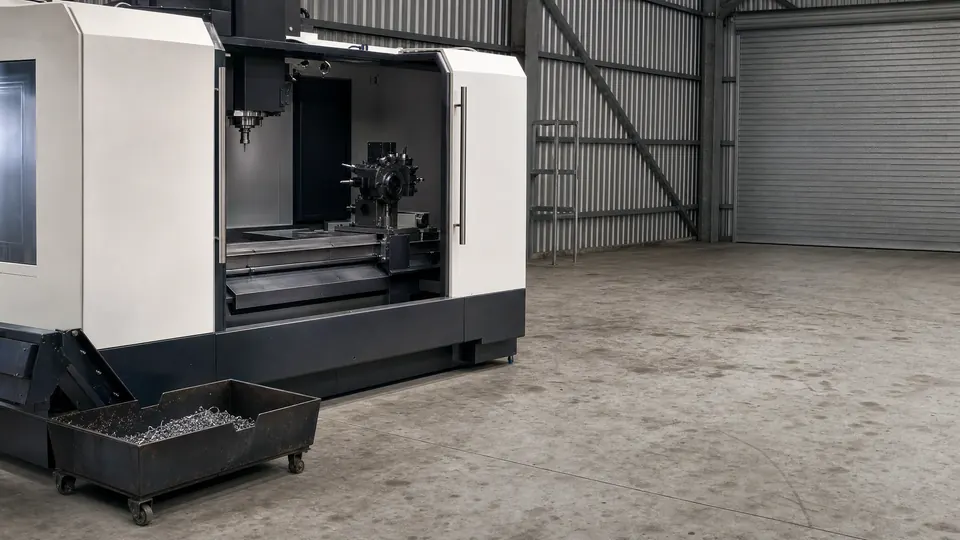
CNC, manufacturing plant, packaging lines, joinery and engineering kit, food production equipment.
Shop and office fit-out, retail joinery, signage, display systems. Asset class with the lowest LVR.
Medical and dental
Imaging, dental chairs, sterilisation, theatre and clinic equipment. Specialist lender territory.
Loan-to-value by asset class
Indicative LVRs across asset classes in NZ.
Loan-to-value ratio (LVR) is the percentage of the asset value the lender will fund without a deposit. Liquid asset classes with deep resale markets commonly run higher LVRs; specialist or fast-depreciating assets run lower. The bands below are observed across major-bank and specialist asset finance products as at 2026.
Asset class
LVR new
LVR used
Max age at term end
Light commercial vehicles (utes, vans)
Up to 100%
80% to 95%
12 to 15 years
Trucks and trailers
90% to 100%
70% to 90%
15 to 20 years
Mainstream agricultural equipment
80% to 100%
70% to 90%
15 to 20 years
Commercial kitchen and hospitality
75% to 90%
60% to 80%
10 to 12 years
Industrial machinery (CNC, plant)
70% to 90%
60% to 80%
12 to 15 years
Medical and dental
70% to 85%
60% to 75%
10 to 12 years
IT and office equipment
70% to 85%
50% to 70%
5 to 7 years
Fit-out and joinery
50% to 70%
Rarely funded as asset finance
Lease-tied
Indicative LVR bands only. Actual LVR is set by the lender after credit assessment and depends on borrower profile, asset condition, and the specific resale market.
Compared to alternatives
Equipment finance vs the closest alternatives.
The choice between equipment finance, an operating lease, a working-capital loan, and outright cash purchase commonly comes down to three questions: do you want to own the asset, do you want the GST upfront, and do you want to keep working capital free for operations.
Feature
Equipment finance
Operating lease
Working capital loan
Cash purchase
Ownership at term end
Yes (after final payment)
No (returned to lender)
Yes (cash from loan)
Yes (immediate)
GST claim timing
Upfront (chattel mortgage) or across rentals
Across rentals only
Upfront on the asset purchase
Upfront in the next GST return
Indicative rate band
8% to 16% p.a.
Embedded in rental, varies
12% to 25% p.a. (unsecured)
Opportunity cost only
Security required
The asset
The asset (rental)
Often a director's PG
None
Cash flow at settlement
Deposit only (often zero)
First rental only
Loan proceeds drawn
Full purchase price out
End-of-term flexibility
Owned outright; sell or keep
Hand back, no residual
Own asset; loan separate
Own asset; no loan
Common asset classes
Most resaleable assets
Fleet vehicles, IT
Any purpose, not asset-specific
Anything
Choosing between these structures is widely an accountant conversation about GST and depreciation timing, not a finance-rate conversation alone.
How it works
A typical NZ equipment finance application.
Equipment finance applications in NZ commonly run faster than secured-property loans because the asset itself does most of the security work. Online applications for amounts under $150,000 with established trading history are commonly funded within a business day; larger amounts and more specialist assets take longer.
01
Day 1
Get a quote on the asset
Equipment finance applications start with a firm quote from the asset supplier or dealer (not a verbal estimate). The quote needs to be on supplier letterhead, identify the asset by make, model, year, and VIN where applicable, and show the GST-inclusive and ex-GST prices. Dealer-floor stock with finance-house relationships often skips this step.
Documents commonly required
·Supplier quote on letterhead
·Asset specifications and condition report
02
Day 1 to 2
Submit the application
A typical NZ equipment finance application asks for the business owner identification, NZBN registration, last 6 months of business bank statements, the supplier quote, and a brief on the loan purpose. Larger amounts (above $150,000) commonly add a P&L statement and a cash-flow forecast.
Documents commonly required
·Business owner ID (passport or driver licence)
·NZBN registration
·Last 6 months of business bank statements
·Supplier quote
·Loan purpose statement
·P&L and cash-flow forecast (if amount > $150K)
03
Day 1 to 5
Credit assessment and offer
The lender runs a credit check on the business and any directors providing personal guarantees, assesses affordability against monthly turnover, and verifies the asset against the lender's allowable list. A formal offer arrives with the rate, fees, weekly repayment, term, and any security conditions. The offer typically holds for 14 to 30 days.
04
Day 2 to 7
Accept and settle
On acceptance, the lender registers a security interest on the PPSR over the asset. Funds typically pay the supplier directly rather than the borrower. Insurance on the asset is commonly a settlement condition; comprehensive cover is the norm for vehicles. Once settled, the asset is delivered and the loan term begins.
Documents commonly required
·Signed loan agreement
·Comprehensive insurance certificate
·PPSR security interest registration
Online unsecured equipment finance products from specialist NZ lenders like Heartland Open for Business commonly compress these four steps into a same-day decision for amounts under $150,000 on standard asset classes. Larger or more specialist applications run on a relationship-banker timeline of 1 to 3 weeks.
Worked scenarios
Three NZ equipment finance scenarios across industries.
Indicative weekly costs and structures across three different NZ asset finance applications, illustrating how the rate band, LVR, and GST treatment shift by asset class and borrower profile.
Hospitality
Wellington cafe combi oven
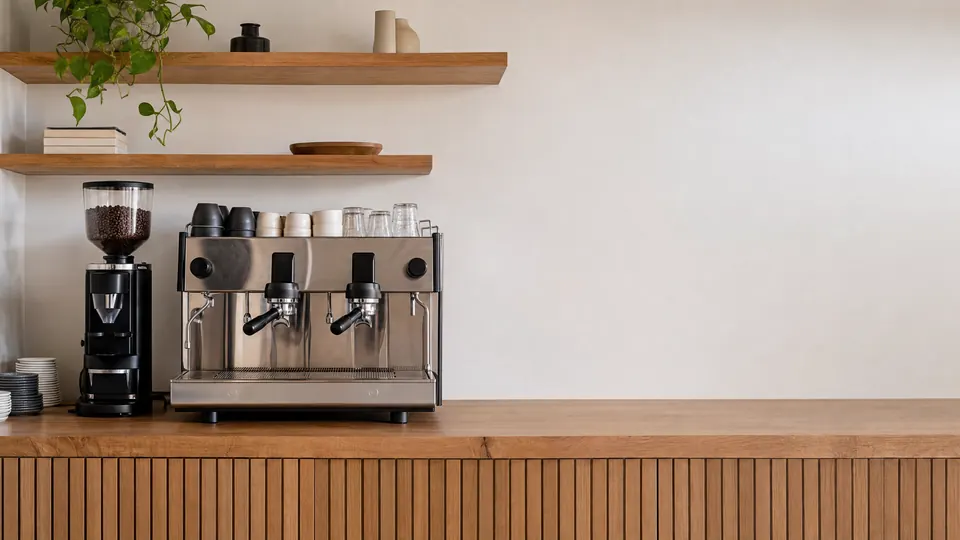
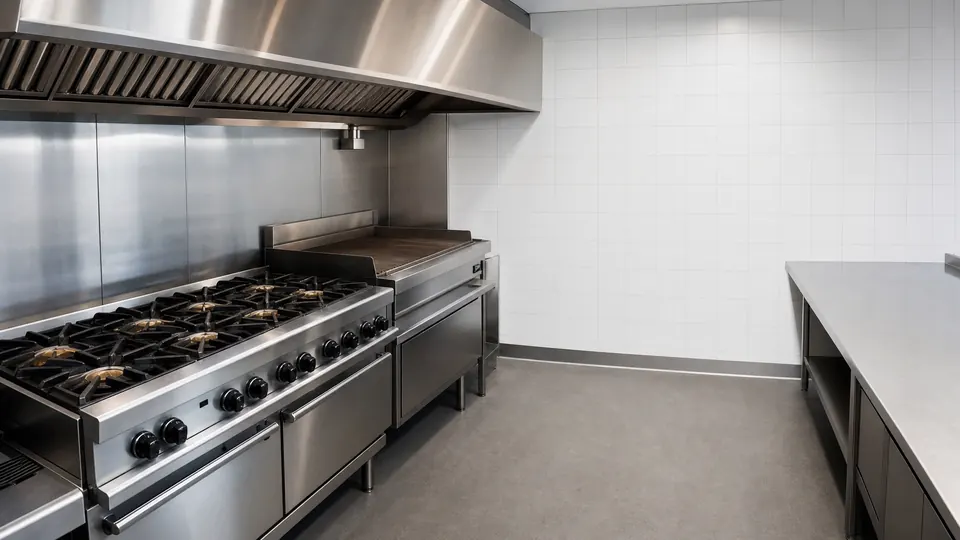
A Cuba Street cafe replacing its main kitchen line: combi oven, espresso machine, fridges, hood-and-duct upgrade. Total $80,000 ex-GST. The cafe is GST-registered, trading 4 years, $42K monthly turnover.
The structure was a chattel mortgage at indicative 12% p.a. across 5 years. GST of $12,000 typically claimed in the next GST return after settlement.
Indicative figures
Asset value (ex-GST)
$80,000
Term
5 years
Rate
12% p.a.
Weekly
~$410
GST claim
$12,000
Construction and trades
Auckland tradie ute upgrade
An East Tamaki plumber upgrading from a 2018 Hilux to a 2026 Ranger Wildtrak. Asset purchase price $76,000 ex-GST. The trade-in covers a $14,000 deposit. Trading 8 years, GST-registered, $38K monthly turnover.
The structure was a chattel mortgage on the balance ($62,000) at indicative 9.5% p.a. across 5 years. Lower rate than the cafe scenario because utes have higher LVR and stronger NZ resale.
Indicative figures
Asset value (ex-GST)
$76,000
Trade-in deposit
$14,000
Financed amount
$62,000
Rate
9.5% p.a.
Weekly
~$305
Healthcare
Christchurch dental practice chair
A Riccarton dental practice replacing two treatment chairs and updating digital imaging. Asset purchase $145,000 ex-GST. Practice trading 12 years, $90K monthly turnover, GST-registered.
The structure was a hire purchase on the full amount at indicative 11% p.a. across 5 years. Specialist medical lender used because the asset class needs lender familiarity. Higher rate than the ute scenario because dental equipment is harder to resell.
Indicative figures
Asset value (ex-GST)
$145,000
Term
5 years
Rate
11% p.a.
Weekly
~$725
GST claim
$21,750
When it goes wrong
Default scenarios on equipment finance.
Equipment finance is asset-secured, which means the lender has clearer recovery rights than on an unsecured loan. The trade-off is that the asset is at risk if the borrower defaults. Three common scenarios.
Missed payments and arrears
A handful of late or missed weekly payments commonly triggers a lender check-in. The lender will typically work with a borrower whose underlying business is solvent on a payment plan or term extension, particularly where the asset is still earning income.
What happens:Late fees apply (typically $20 to $50 per missed payment). Credit file marks accumulate. Continued non-payment moves to formal default.
Formal default
Persistent non-payment (commonly 60 to 90 days arrears) triggers a default notice. The lender retains the security interest registered on the PPSR over the asset, and after the statutory notice period can move to recover the asset.
What happens:Asset is repossessed and sold by the lender. Sale proceeds are applied to the outstanding balance, and any shortfall is pursued under the personal guarantee directors typically provide.
Insolvency or business failure
Where the borrower business enters voluntary administration or liquidation, the asset under chattel mortgage or hire purchase is treated as the lender's collateral. The lender ranks as a secured creditor for the asset value; any shortfall ranks unsecured against directors under PG.
What happens:Asset returns to the lender. Director PG creates personal liability for any shortfall. Personal credit files of directors are marked. Future borrowing becomes materially harder.
Default is typically uncommon on standard equipment finance applications. Lenders are commercial; payment-plan negotiations on temporary cash-flow setbacks are widely available, and most borrower-side problems are caught and resolved before formal default.
The trade-offs
Why equipment finance fits, and where it doesn't.
Where it fits
·Standard, resaleable assets in liquid markets (utes, mainstream machinery, common kitchen kit) where lender residual confidence is high.
·Established businesses with 12+ months trading and consistent monthly turnover.
·Equipment that earns out across the loan term, where the asset is producing income that covers the weekly repayment.
·Buyers wanting to keep working capital free for operations rather than tying it up in a lump-sum equipment purchase.
·GST-registered businesses where the upfront GST claim materially helps cash flow at settlement.
Where it doesn't
·Highly specialised or rapidly depreciating assets (custom machinery, software-only purchases) where lender LVRs commonly drop sharply.
·Brand-new businesses with no trading history, where the unsecured tier is typically a more accessible starting point.
·Cases where the asset will be obsolete before the loan is paid (some IT, some software-bundled equipment).
·Working capital needs that aren't tied to a specific asset, where a line of credit or term loan structure is typically a cleaner fit.
·Lease-tied fit-out (shop fit, office joinery) where the asset is fixed to leased premises and harder to recover.
Lenders to know
NZ lenders that fund equipment finance well.
The NZ equipment finance market is dominated by a handful of specialists alongside the major-bank asset finance divisions. Each has a different sweet spot in asset class, amount band, and application speed.
Editorial-only shortlist. We have a commercial referral relationship with Prospa (disclosed at /partner/); the other lenders here are independent editorial coverage with no commercial relationship.
What is equipment finance and how does it work in New Zealand?
Equipment finance is a loan secured against the equipment being purchased, repaid over an agreed term with interest. The lender registers a security interest on the PPSR over the asset; if the borrower defaults the lender can recover the asset and sell it to clear the balance. NZ structures commonly include chattel mortgage, hire purchase, finance lease, and operating lease, each with different ownership, GST, and balance-sheet outcomes.
What's the difference between a chattel mortgage and a hire purchase in NZ?
A chattel mortgage means the business owns the asset from day one and the lender takes a security interest. A hire purchase means the lender owns the asset until the final payment, at which point ownership transfers to the business. Both are widely available in NZ, both are commonly priced similarly, and the choice usually comes down to the accountant's preference for GST and depreciation timing.
Can I claim GST on equipment financed through a chattel mortgage?
A GST-registered NZ business can typically claim the GST component on the full purchase price in the next GST return when the equipment is acquired under a chattel mortgage, because the business is treated as the owner from day one. This is subject to the accountant's confirmation on the specific business position. On a finance lease the GST is typically claimed across the rental payments rather than upfront, and on an operating lease the rentals carry GST that can be claimed on each return.
How much can a NZ business borrow for equipment?
Indicative ranges run from $5,000 at the low end (small tools, IT) up to $500,000 or more at the high end (manufacturing plant, commercial vehicles, kitchen fit-out). The achievable amount depends on the asset value, the lender's loan-to-value ratio (commonly 80% to 100% of asset value on liquid asset classes, 60% to 80% on specialist gear), the trading history, and turnover. Specialist lenders like UDC and Heartland often run higher LVRs on standard asset classes than the major banks.
What rate should I expect on equipment finance in NZ?
Indicative rates on NZ equipment finance commonly sit in the 8% to 16% per annum band, depending on asset class, age, term, deposit, trading history, and the lender. Newer assets in liquid markets (utes, light commercial vehicles, mainstream machinery) typically sit at the lower end. Older or specialised assets attract higher indicative rates because lender residual confidence is lower. Major-bank pricing typically sits below specialist-lender pricing on a like-for-like clean application.
Do I need a deposit for equipment finance?
Many NZ lenders run zero-deposit equipment finance on common asset classes for established businesses, but a deposit of 10% to 20% commonly improves both the achievable amount and the indicative rate. On older or harder-to-resell assets, a deposit is often a lender condition. The deposit amount is one of the strongest levers a borrower has on the offered rate.
Can I finance second-hand equipment?
Yes, second-hand equipment is commonly financed in NZ, particularly utes, trucks, and standard machinery. The lender typically caps the asset age at end of loan term (commonly 12 to 15 years total age including the term), which can shorten the achievable term on older equipment. Specialist lenders sometimes go older but at higher indicative rates. Used asset finance is widely the larger market by volume because the bulk of NZ asset finance is on light commercial vehicles, most of which are bought used.
Is the interest on equipment finance tax-deductible?
Interest on a loan used to acquire business equipment is generally deductible against business income in New Zealand, subject to the accountant's confirmation on the specific business structure and the asset's use. Where the equipment is used partly privately, the deduction is apportioned. The depreciation treatment of the asset itself runs separately at IRD-set rates by category, with kitchen equipment, light vehicles, and IT typically attracting different rates, subject to the accountant's confirmation.
What documents do I need to apply for equipment finance?
Standard application documents include business owner ID (passport or driver licence), NZBN registration, the last 6 months of business bank statements, a supplier quote on letterhead identifying the asset by make and model, and a brief on the loan purpose. Larger amounts above $150,000 commonly add a P&L statement and a cash-flow forecast. The accountant's letter is sometimes useful for self-employed applicants or businesses with seasonal income.
How long does equipment finance approval take?
Online unsecured equipment finance applications from specialist lenders like Heartland Open for Business or Prospa commonly fund within a business day on standard asset classes for established borrowers. Major-bank asset finance typically takes 3 to 7 business days for a decision and another 2 to 5 to settle. Specialist applications (medical equipment, specialised manufacturing, agricultural machinery) commonly run 1 to 3 weeks.
What happens if my business defaults on equipment finance?
On default, the lender's first remedy is typically to recover the asset under the security interest registered on the PPSR. After a statutory notice period, the lender may sell the asset to clear the outstanding balance; any shortfall is typically pursued under the personal guarantee directors usually provide. Personal credit files of directors are marked. A clean default-recovery process is one reason secured asset finance prices below unsecured business loans.
Can a sole trader or first-year business access equipment finance?
First-year businesses face a tighter approval profile than established businesses. Some lenders run starter products on common asset classes (utes, standard equipment) with smaller amounts and a director's personal guarantee, but the indicative rate band sits higher. Two years of trading history with consistent monthly turnover commonly opens access to better-priced offers. Sole traders are eligible across all the major asset finance lenders provided they have an active NZBN and clean credit.
Can I refinance an existing equipment loan in NZ?
Yes, equipment finance refinancing is widely available across the NZ market. The most common triggers are a credit profile improvement after 12 to 24 months of clean repayments, a rate cycle move, or consolidation of multiple equipment loans into one. Early-repayment fees on the existing loan are the main consideration; some structures charge a break fee on early settlement, others allow unlimited extra repayments at no cost. The loan contract is the authoritative reference.
Is comprehensive insurance required on financed equipment?
On vehicles and high-value mobile equipment, comprehensive insurance with the lender noted as an interested party is widely a settlement condition and a requirement throughout the loan term. The insurance protects both the business's investment and the lender's security position. On lower-value or fixed equipment, the requirement varies by lender. Premiums sit on top of the weekly repayment and are part of the true weekly cost of the asset, not just the loan.
Indicative content only. Not personalised financial advice.
A business loan is a commitment that runs for months or years, and repayments come out of the same operating cash flow as everything else. Before committing, it is worth modelling the weekly and monthly cost against the business's working-capital position, which is what this site is built to help with. Borrowing at a level that stays comfortable through a quiet quarter, not just a strong one, is widely regarded as the safer frame.
What this site is
A calculator and information tool. Not a lender, not a broker, not a registered financial adviser. Nothing here is personalised financial advice.
What the figures show
Modelled estimates based on the inputs you enter. Not a quote. Not an offer of credit. Not a guarantee of approval, rate, or fees.
What the lender decides
Final rates, fees, and approval are set by the lender after a CCCFA-appropriate assessment of the applicant's circumstances and credit decision.
Commercial disclosure
Businessloans.org.nz earns a commission from Prospa when a visitor applies through this site and their application is approved. The commission is paid by Prospa, not by the borrower, and it does not influence the rate Prospa offers. Full disclosure on the partner page.
Tax, GST, and accountant framing
Tax-treatment statements (GST claim timing, interest deductibility, depreciation rates) are general in nature and subject to your accountant's confirmation on the specific business position. For material amounts, professional advice from a registered financial adviser or chartered accountant is widely regarded as the safer frame.