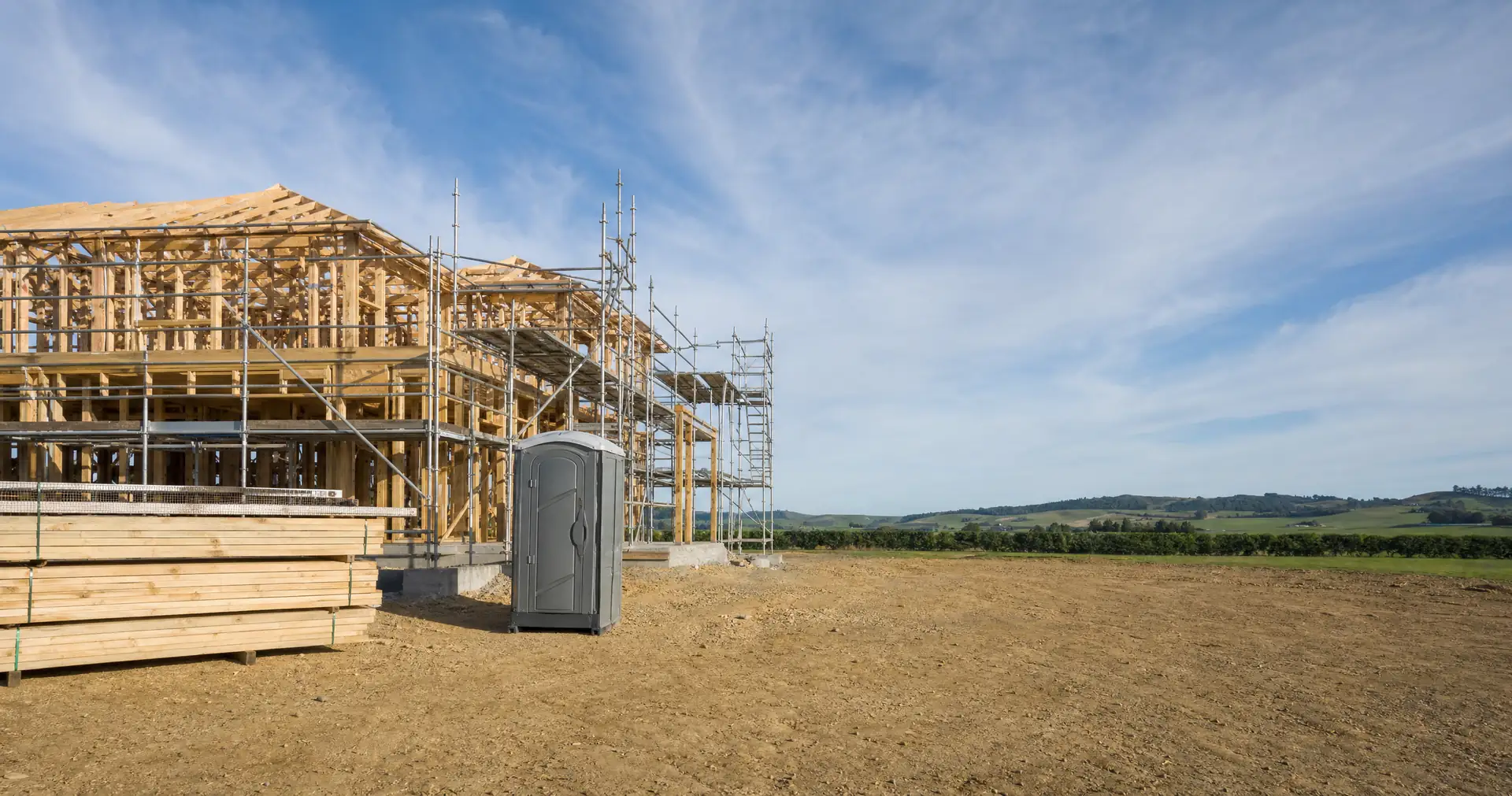
Scaffolding and rigging loans for New Zealand inventory-heavy access trade businesses .
Scaffolding and rigging finance in NZ is shaped by the inventory-intensive nature of the trade (tube, fitting, frame, and ledger stock commonly $40K to $500K), by the Best Practice Guidelines for Working at Heights administered by WorkSafe NZ, and by the Certificate of Competence regime for scaffold erected above 5 metres.
What you need to know about NZ scaffolding and rigging finance.
→Scaffold inventory commonly $40K to $500K Tube and fitting stock at the residential edge-protection end, modular frame and ledger systems (Layher, Kwikstage, Ringlock) at the mid-tier, full commercial scaffold inventory at the established yard. Asset finance against the inventory plus working capital is the standard stack.
→WorkSafe NZ Best Practice Guidelines for Scaffolding govern erection and use The Best Practice Guidelines for Scaffolding in New Zealand are published by WorkSafe NZ under the Health and Safety at Work Act 2015 framework and set the construction, inspection, and tagging standards the trade operates against.
→Certificate of Competence required for scaffold above 5 metres The Certificate of Competence (CoC) regime, administered through WorkSafe NZ recognised assessors, applies to scaffold erected to a working height above 5 metres and to specific scaffold types regardless of height. CoC class is commonly noted in the lender operator profile file.
→SARNZ membership signals operator profile Scaffolding Access and Rigging NZ (SARNZ) is the recognised industry body, with member directory, code of practice, and training pathways. SARNZ membership commonly features in the operator profile section of the file alongside trading data and CoC documentation.
The landscape
Inventory weight, height regulation, and CoC competency shape the NZ scaffold finance file.
New Zealand scaffolding and rigging contractors sit across three broad delivery tiers. The small residential edge-protection operator runs a single curtain-side truck, a stack of edge-protection rail and brackets, a small modular frame inventory for two-storey residential work, and a two-person crew. The mid-tier residential and light commercial scaffolder runs a fleet of two to four trucks, a yard with a Layher, Kwikstage, or Ringlock modular system inventory, plus tube and fitting stock for irregular structures, and a four to ten person crew. The established commercial and infrastructure scaffolder runs a larger truck and hiab fleet, a multi-system inventory, an in-house Certificate of Competence assessor pipeline, and crews working across CBD high-rise, civil infrastructure, and industrial maintenance shutdown packages. The kit weight scales steeply across the tiers; lender appetite, structure choice, and working-capital sizing scale with it.
The inventory pattern is what separates scaffolding from the lighter construction trades. A builder or painter ute fits into a chattel mortgage application; a scaffold yard requires a serviced asset register, a depreciation schedule across multiple system types and ages, and a clear position on owned versus hired stock where peak demand exceeds the owned inventory. Stats NZ building consents data and infrastructure pipeline data through MBIE shape the demand cycle; commercial and infrastructure scaffold work commonly runs 6 to 18 month packages with stage-based hire periods, while residential edge protection rotates on a 4 to 8 week cycle per house. Most scaffold businesses carry both a term loan or asset finance position against the inventory and a working-capital line to absorb the gap between hire invoice and customer payment.
Regulation sits across three threads. The Health and Safety at Work Act 2015 and the Best Practice Guidelines for Scaffolding in New Zealand published by WorkSafe NZ set the construction, inspection, and tagging standards. The Certificate of Competence regime applies to scaffold erected to a working height above 5 metres, with classes covering Basic, Intermediate, Advanced, and Suspended scaffold; CoC holders are recognised by WorkSafe NZ following assessment by a recognised assessor. The Scaffolding Access and Rigging NZ (SARNZ) industry body publishes the SARNZ Code of Practice and operates the SARNZ Apprentice Scheme, both of which commonly feature in the operator profile section of the lender file as positive operator-profile signals.
Scaffold inventory
$40K to $500K
Truck and hiab fleet
$80K to $300K
Working capital line
$50K to $200K
Term loan term
4 to 6 years
Scaffolder scenarios
Four common NZ scaffold and rigging finance scenarios.
Most scaffold finance applications fall into one of four patterns. Each pattern has a typical loan amount, structure, and lender pool.
Residential edge-protection setup
A new SARNZ-aligned operator setting up with a curtain-side truck, an initial edge-protection rail and bracket inventory, and a small modular frame stack for two-storey residential work. Total project commonly $80K to $160K. Asset finance against the inventory plus chattel mortgage on the truck.
·Loan amount: $80K to $160K
·Term: 4 to 5 years
Mid-tier modular system expansion
Established residential and light commercial scaffolder adding a Layher, Kwikstage, or Ringlock modular system stack to scale into commercial fit-out and small civil packages. Asset finance against the modular system, sized to the average concurrent hire pipeline.
·Loan amount: $150K to $350K
·Term: 5 to 6 years
Truck and hiab fleet expansion
Mid-tier or commercial scaffolder adding curtain-side trucks, hiabs, and trailer combinations to support the larger inventory rotation across multiple concurrent sites. Chattel mortgage on each truck plus hiab fitout asset finance.
·Loan amount: $120K to $300K
·Term: 5 years
Working capital for hire-invoice cycle
Existing scaffolder drawing on a revolving facility to bridge between hire invoice issuance and customer payment, plus the cumulative hire receivable across multi-month commercial and infrastructure packages. Line of credit suits the recurring pattern.
·Limit: $50K to $200K
·Structure: Revolving line of credit
What scaffolders borrow for
Six common NZ scaffold and rigging loan purposes.
Scaffold and rigging lending volume falls into six common purposes. Each has a typical structure that fits.
Modular system inventory (Layher, Kwikstage, Ringlock)
Modular frame, standard, ledger, transom, and brace stock across the recognised proprietary systems. Asset finance against each system add, sized to average concurrent hire pipeline. Common at mid-tier expansion through to established commercial yards.
Tube, fitting, and timber plank stock
Tube and fitting (steel and aluminium tube, swivel and right-angle couplers, sleeve and putlog couplers) for irregular structures and traditional scaffold work, plus LOSP-treated timber planks. Asset finance against the stock; commonly $20K to $80K per inventory tranche.
Curtain-side trucks, hiabs, and trailers
Curtain-side and flatdeck trucks (typically 6 to 14 tonne GVM), hiab cranes for offload at site, and tandem trailers for smaller residential rotation. Chattel mortgage on each truck and asset finance on the hiab fitout. Common $60K to $180K per truck.
Edge protection rail and bracket stack
Edge-protection rail systems and brackets for two-storey residential and light commercial work. Asset finance against the stack; commonly $25K to $90K per residential rotation pool, depending on truck count and concurrent sites supported.
Working capital for hire-invoice cycle
Revolving facility absorbing the gap between hire invoice issuance and customer payment, plus the cumulative hire receivable across multi-month commercial and infrastructure packages. Line of credit suits the recurring pattern of hire-period billing.
Yard, container, and racking fitout
Lockup yard for inventory, shipping containers for fitting and small kit, tube racking and pallet storage, plus a small site office at base. Term loan or asset finance against the fitout; common at the mid-tier and commercial yard scaling beyond a leased compound.
Tax and GST
How GST, hire revenue, and depreciation typically work for NZ scaffolders.
A GST-registered scaffolding business can typically claim the GST component on modular system inventory, tube and fitting, edge-protection rail, trucks, and yard fitout as input tax in the relevant GST return, subject to the accountant's confirmation. Where the asset is acquired under chattel mortgage, the full GST is typically claimable upfront in the next return after settlement. Where it is acquired under finance lease, GST is typically claimed across the rental payments. Hire revenue (where scaffold is supplied on a weekly or monthly hire basis to a head contractor or principal) is typically returned on the invoice date for GST purposes; income recognition for accrued hire across a long-running package commonly follows the hire-period the invoice covers. Modular scaffold systems commonly carry a longer useful life on the IRD depreciation schedule than light tools, which affects the depreciation profile across the holding period. The accountant is the right person to confirm structure choice, hire-period GST timing, and depreciation treatment on the specific business position.
Scaffold inventory and fleet bands
Indicative NZ scaffold inventory, fleet, and yard finance bands.
Asset pricing varies by system brand, condition, age, and supplier (Layher, Kwikstage, Ringlock, and tube and fitting suppliers each carry different price points). The bands below are observed across the NZ scaffold and rigging finance pool in 2026, drawn from used and new modular system and commercial vehicle market activity.
Asset category
Used
New
Common term
Modular system stack (Layher, Kwikstage, Ringlock)
$80K to $200K
$150K to $400K
5 to 6 years
Tube and fitting inventory tranche
$15K to $40K
$25K to $70K
4 to 5 years
LOSP-treated timber plank pool
$8K to $20K
$15K to $35K
4 years
Edge-protection rail and bracket stack
$15K to $45K
$30K to $90K
4 to 5 years
Curtain-side or flatdeck truck (6-14T GVM)
$45K to $120K
$110K to $220K
5 years
Truck-mounted hiab crane fitout
$25K to $70K
$60K to $130K
5 years
Indicative bands only. Actual price depends on system brand, age, condition, truck spec, and supplier. Final rate, fee, and approval decisions are made by the lender after assessment.
Scaffold structure choice
Asset finance vs operating lease vs working-capital draw for scaffold inventory.
Scaffolders commonly blend ownership and operational structures across the inventory and fleet. Modular systems are usually owned via asset finance or chattel mortgage; some larger yards use operating leases on the truck fleet where the package pipeline justifies the smoother monthly cost; smaller fittings, planks, and consumables are commonly funded out of working capital.
Feature
Asset finance / chattel mortgage (own)
Operating lease (Custom Fleet, FleetPartners)
Working capital draw
Typical loan or commitment
$80K to $400K per inventory or vehicle tranche
$1.5K to $4K per month per truck
Drawn against revolving line
GST upfront claim
Yes, full GST in next return
No, claimed across payments
GST on supplier invoice each period
Ownership at end of term
Scaffolder owns from settlement
Lessor retains; option to buy
No fixed asset; expensed or capitalised separately
Maintenance responsibility
Scaffolder
Often included on truck (full-service lease)
Scaffolder
Best fit
Modular systems, tube and fitting, edge-protection rail, owned trucks
Truck fleets with stable head-contractor pipeline preferring smooth monthly cost
Couplers, planks, small consumables, top-up rotation
Cash flow profile
Larger upfront, fixed repayments
Smooth monthly cost
Variable; matched to hire invoice and supplier terms
How it works
A typical NZ scaffold and rigging finance application.
Scaffold finance applications carry a Certificate of Competence step, a SARNZ membership step (where claimed), and an inventory and asset register step that lighter trades do not lean on. Established operators with documented CoC class, SARNZ membership, prior trading data, and a documented head-contractor or principal relationship commonly move faster and access tighter pricing.
01
Day 1 to 5
Define the scope and inventory profile
A typical scaffold loan combines asset finance or chattel mortgage on the inventory tranche (modular system, tube and fitting, edge-protection rail) with chattel mortgage on the truck and hiab fitout, plus a working-capital line for the hire-invoice cycle. Defining the inventory composition, the system brand, and the truck spec upfront tightens the application and helps the lender size each tranche.
Documents commonly required
·Inventory itemised quote (modular system, tube and fitting, plank pool)
·Truck and hiab quote or sale agreement
·Insurance quote
·Yard lease or ownership documentation
02
Day 1 to 10
Submit application with scaffold-specific documents
Beyond the standard SME application pack, scaffold lenders commonly ask for Certificate of Competence class and number for key staff (Basic, Intermediate, Advanced, Suspended), Site Safe NZ Passport for crew on commercial sites, SARNZ membership documentation where claimed, head-contractor or principal references where the scaffolder runs work under a Tier 1 main contractor prequalification, and a current asset register showing owned versus hired inventory across the operating book.
Documents commonly required
·NZBN, business owner ID
·Last 6 months business bank statements
·Certificate of Competence class and number (key staff)
·Site Safe NZ Passport (key staff)
·SARNZ membership documentation where claimed
·Head-contractor prequalification letter where held
·Current asset register (owned versus hired)
·Public liability and contract works insurance quotes
03
Day 7 to 21
Lender assessment and offer
Lenders commonly assess against three things: the operator profile (CoC class, SARNZ membership, trading history, head-contractor relationships), the security position on the inventory and trucks (LVR after deposit, with modular system stock typically holding stronger residual value than tube and fitting), and the cash-flow shape (residential rotation versus mid-tier commercial versus large infrastructure package mix and the typical hire-receivable profile). Offers commonly come back with conditions: deposit size, additional security on the yard, or insurance requirements.
04
Week 2 to 5
Settle, register PPSR, take delivery
Asset finance settles directly to the inventory supplier, the truck dealer, or the hiab fitout supplier. The lender registers a security interest on the Personal Property Securities Register (PPSR) against each financed asset tranche. Modular system delivered to the yard with the asset register updated. Working-capital line (where applicable) opens alongside the asset finance settlement, with the first draw commonly aligned to the next hire invoice cycle.
A broker familiar with the NZ scaffold pipeline, the WorkSafe NZ Best Practice Guidelines, the Certificate of Competence regime, and the SARNZ Code of Practice commonly tightens the rate band and reduces the documentation cycle versus a direct application to a generic SME lender.
Worked scenarios
Three NZ scaffold and rigging finance scenarios.
Real-world structures across residential edge-protection setup, mid-tier modular expansion, and working-capital draw against a Tier 1 commercial package. Each illustrates how Certificate of Competence class, SARNZ membership, and head-contractor relationships shift the offered rate.
New SARNZ-aligned operator, Bay of Plenty residential pipeline
Tauranga residential edge-protection setup
A Tauranga scaffolding operator going solo after 6 years as a leading hand on a Bay of Plenty residential scaffold yard. Total project $128,000 ex-GST: $58,000 used 2022 Hino 8-tonne curtain-side truck, $42,000 edge-protection rail and bracket stack across two residential rotation sets, $18,000 small Kwikstage modular stack for two-storey work, $10,000 first-quarter public liability and motor vehicle insurance plus signage and yard compound deposit. 12% deposit from personal savings.
Structure agreed with a construction-experienced broker: chattel mortgage on the Hino truck ($51,000 after deposit, 5-year term, indicative 9-12% p.a.), asset finance on the edge-protection rail and Kwikstage modular stack ($60,000 combined, 5-year term, indicative 10-13% p.a.), $10,000 expensed across the first quarter operating budget. Certificate of Competence Intermediate class held; SARNZ membership applied for in parallel with the loan settlement.
PPSR security interest registered against the Hino truck, edge-protection stack, and modular stock at settlement. Public liability and motor vehicle insurance bound before the first job. UDC Finance funded the chattel mortgage and asset finance based on the Certificate of Competence status and the prior 6-year leading-hand history.
Indicative figures
Total project
$128,000
Truck and inventory
$118,000
Asset finance after deposit
$111,000
Indicative blended rate
10-13% p.a.
Established CoC Advanced scaffolder, Canterbury commercial fit-out pipeline
Christchurch mid-tier Layher modular system expansion
A Christchurch SARNZ-member scaffolder with 5 years of trading and a residential, light commercial, and CBD fit-out pipeline expanding the modular system stack with a Layher Allround inventory tranche to support a multi-package CBD office fit-out and seismic strengthening pipeline. Total project $310,000 ex-GST for the Layher tranche, plus a $90,000 used Isuzu 10-tonne curtain-side truck and a $55,000 hiab fitout. 15% deposit from retained earnings.
Existing trading data, the Certificate of Competence Advanced class held by two key staff, and the SARNZ Code of Practice membership tightened the indicative rate band materially. Asset finance on the Layher tranche ($263,000 after deposit, 6-year term, indicative 9-11% p.a.), chattel mortgage on the Isuzu truck and hiab fitout ($123,000 combined after deposit, 5-year term, indicative 8-11% p.a.). Heartland Bank funded the truck and hiab; UDC Finance funded the Layher modular tranche through the supplier.
PPSR security interests registered against each asset tranche at settlement. Layher inventory delivered to the Christchurch yard with the asset register updated. First Layher-system commercial package on the new inventory scheduled for week 5 after settlement.
Indicative figures
Total project
$455,000
Layher modular tranche
$310,000
Truck and hiab fitout
$145,000
Indicative blended rate
9-11% p.a.
Established CoC Advanced scaffolder, Tier 1 main-contractor prequalification
An Auckland commercial scaffolder with 9 years of trading and a documented prequalification with a Tier 1 main contractor on a CBD high-rise fit-out and seismic strengthening package drawing on a working-capital line to bridge between hire invoice issuance and customer payment, plus the cumulative hire receivable across the 14-month package. Monthly hire invoices of $90,000 to $160,000 across two concurrent commercial sites.
Existing trading data, Certificate of Competence Advanced class held by senior staff, the SARNZ membership, and the Tier 1 prequalification supported the structure. Working-capital line lifted from $80,000 to $200,000 to cover the hire-receivable carry across the 14-month package, plus supplier and subcontractor payment cycle ahead of customer payment release. Indicative working-capital line pricing 11-14% p.a. drawn balance only. ANZ Business funded the line uplift based on the trading history and the Tier 1 prequalification documentation.
No new asset finance in this draw; the working-capital line sits alongside the existing asset finance positions on the modular system inventory, edge-protection stack, and truck fleet. Each draw against the line is repaid out of customer payment settlements within the agreed payment-schedule window, with a small headroom retained for the hire-period roll-forward.
Indicative figures
Working-capital line uplift
$120,000
New line limit
$200,000
Monthly hire invoice band
$90K to $160K
Indicative line rate
11-14% p.a.
NZ scaffold lenders
Lenders that fund NZ scaffold and rigging well.
Several NZ lenders carry familiarity with the WorkSafe NZ Best Practice Guidelines for Scaffolding, the Certificate of Competence regime, the SARNZ Code of Practice, and the inventory-heavy cash-flow profile of the scaffold and rigging trade. The shortlist below is editorial.
Industry body for scaffolding, access, and rigging in New Zealand. SARNZ Code of Practice and apprentice scheme referenced in the operator profile section of the file.
MBIE construction-sector policy framework referenced for the broader regulatory and pipeline context for scaffold and rigging.
FAQ
Scaffolding and rigging loans, NZ small-business questions answered
How much does it cost to set up a NZ residential scaffolding business?
A NZ residential edge-protection scaffolding setup commonly runs $80,000 to $180,000 depending on truck choice, the breadth of the edge-protection rail and bracket stack, and whether a small modular system is included for two-storey work. The total covers a curtain-side truck (commonly $45,000 to $120,000), an edge-protection rail and bracket stack ($25,000 to $90,000), a small Kwikstage or Layher modular stack ($15,000 to $40,000), and the first quarter of public liability, motor vehicle, and contract works insurance plus yard compound deposit. Most scaffolders fund this through a chattel mortgage on the truck and asset finance on the inventory.
What is the Certificate of Competence and when is it required for scaffolders?
The Certificate of Competence (CoC) is a WorkSafe NZ-recognised scaffold competency credential issued to individuals following assessment by a recognised assessor. CoC classes include Basic (light-duty scaffold to 5m), Intermediate (most modular and tube-and-fitting scaffold above 5m), Advanced (more complex scaffold including suspended access), and Suspended (specific suspended-scaffold types). A CoC is required where scaffold is erected to a working height above 5 metres and for specific scaffold types regardless of height, under the Health and Safety at Work Act 2015 framework. Lenders financing scaffold inventory commonly note CoC class and number in the operator profile section of the file.
How do hire invoices and customer payment cycles affect scaffold cash flow?
Most NZ commercial and infrastructure scaffold work runs on a hire-period billing model where the scaffolder issues a monthly hire invoice for the period the scaffold is on site, then waits for customer payment under the head-contractor or principal payment-schedule terms (commonly the 20th of the month following invoice). Across multi-month packages, the cumulative hire receivable can grow materially before customer payment release. This commonly drives scaffolders to carry a working-capital line of credit or invoice finance facility specifically to absorb the gap between hire invoice and customer payment, plus the supplier and subcontractor payment cycle.
What rate range applies to NZ scaffold finance in 2026?
Indicative rates on scaffold and rigging finance commonly sit in the 8% to 16% per annum band depending on structure, security, and operator profile. Asset finance secured by the modular system inventory and chattel mortgage on the truck sits at the lower end (commonly 8-12%). Asset finance on tube and fitting, edge-protection rail, and smaller inventory tranches sits in the middle (commonly 9-13%). Working-capital lines drawn against hire receivables commonly sit in the 11-14% range on drawn balance. Final rate is set by the lender after assessment. Established CoC-Advanced scaffolders with multi-year trading history and SARNZ membership commonly access the lower bands.
Can I claim GST on a scaffold modular system financed under asset finance?
A GST-registered scaffolding business can typically claim the GST component on a Layher, Kwikstage, or Ringlock modular system, tube and fitting stock, edge-protection rail, trucks, and hiab fitout acquired under asset finance or chattel mortgage as input tax in the relevant GST return, subject to the accountant's confirmation. Where the asset is acquired under chattel mortgage, the full GST is typically claimable upfront in the next GST return after settlement. Where it is acquired under finance lease or operating lease, GST is typically claimed across the rental payments. The accountant is the right person to confirm structure choice on the specific business position.
How does SARNZ membership affect a scaffold loan application?
Scaffolding Access and Rigging NZ (SARNZ) membership is the recognised industry-body signal for the trade and is commonly referenced by lenders alongside Certificate of Competence class, Site Safe NZ Passport status, and prior trading history. SARNZ members subscribe to the SARNZ Code of Practice, can access the SARNZ Apprentice Scheme, and use industry-standard contract templates and scaffold tagging discipline, which lenders can take as a positive operator-profile signal. Membership is not a regulatory requirement, and lenders fund non-member scaffolders where the rest of the file (CoC class, trading history, head-contractor relationships) is clean.
What is the typical loan term for scaffold modular system inventory?
NZ scaffold modular system inventory (Layher, Kwikstage, Ringlock) on asset finance commonly runs 5 to 6 year loan terms reflecting the longer useful life of modular scaffold relative to lighter construction kit. Tube and fitting tranches commonly run 4 to 5 year terms. Edge-protection rail commonly runs 4 to 5 year terms. Curtain-side trucks commonly run 5 year terms; hiab fitouts commonly aligned with the truck term. The loan term should fit within the expected useful life of the asset for the use case (modular scaffold systems hold value well across the holding period when inventory is tagged, inspected, and maintained), and lenders commonly will not write a loan term that exceeds the practical residual life of the asset.
How does prequalification with a Tier 1 main contractor affect scaffold finance?
Prequalification with a Tier 1 main contractor (Fletcher Construction, Naylor Love, Hawkins, LT McGuinness, Downer, Fulton Hogan, or similar) is a documented assessment of the scaffolder against the head-contractor health and safety, financial, and capability criteria. Lenders financing working-capital lines for scaffolders working under a Tier 1 prequalification commonly view this as a positive signal because the contracting framework, payment schedules, and hire-period billing are well-defined under the head-contractor processes. A documented prequalification letter and a current commercial or infrastructure package commonly support a larger working-capital line uplift than a scaffolder running smaller residential rotations without this overlay.
What happens to financed scaffold inventory or trucks if the business closes?
Where the inventory or truck is financed under asset finance or chattel mortgage and the scaffold business closes before the loan is repaid, the lender typically has a security interest registered on the Personal Property Securities Register (PPSR) and can take possession of the asset to recover the outstanding balance. Any shortfall between resale value and balance owing typically falls to the borrower and any personal guarantor. Used Layher, Kwikstage, and Ringlock modular systems typically retain 50-70% of value in the secondary market depending on age and condition; tube and fitting commonly holds 40-60%; commercial trucks 50-70% depending on age, kilometres, and condition. Lenders commonly work with scaffolders to restructure repayments before resorting to repossession.
How does the SARNZ Apprentice Scheme affect scaffold finance?
The SARNZ Apprentice Scheme, run by Scaffolding Access and Rigging NZ, administers the structured apprenticeship pathway for scaffolders and commonly aligns with the New Zealand Certificate in Scaffolding qualification framework. Scaffolders carrying an apprentice on the crew commonly hold a SARNZ apprentice agreement, which sits in the operator profile section of the lender file. The apprentice wage subsidy and Apprenticeship Boost (administered by MSD where eligible) can also feature in the cash-flow context for crew-expansion applications. Lenders commonly view a documented apprentice pathway as a positive operator-profile signal because it indicates investment in the long-term capability of the crew.
What licence is required to drive scaffold trucks in NZ?
Curtain-side and flatdeck scaffold trucks in the 6,000 to 18,000 kg GVM range commonly require a Class 2 driver licence under the NZTA driver licence classes administered under the Land Transport Act 1998. Larger trucks above 18,000 kg GVM require Class 4 (where rigid) or Class 5 (where combination above 25,000 kg GCM). Truck-mounted hiab cranes carry separate operator competency requirements under the WorkSafe NZ approved code of practice for cranes. Scaffolders commonly hold the appropriate driver licence class for each truck in the fleet, and lenders may note the licence-class position alongside the asset register in the operator profile section of the file. NZTA publishes the licence class requirements in full.
Can a scaffolder refinance into better pricing once trading history is built?
Yes. Established scaffolders with 24 to 36 months of clean trading, Certificate of Competence Advanced class held by senior staff, SARNZ membership, and a documented commercial or infrastructure pipeline commonly refinance from alternative-lender pricing (12-16%) into asset-finance specialist or major-bank pricing (8-11%) once history is built. Refinancing is also commonly used to consolidate multiple loans (asset finance on the modular system, chattel mortgage on the truck, working-capital line) into a single facility, or to release equity to fund a major modular system expansion or yard purchase. Early-repayment fees on the original loans and the resale value position on the existing inventory are the main considerations.
What are typical insurance requirements for a NZ scaffold loan application?
Scaffold and rigging loan applications commonly require public liability insurance (typically $5m to $20m cover sized to the largest concurrent package), motor vehicle insurance on each truck, contract works insurance on each project where in scope, and inventory insurance on the financed scaffold stock. Some lenders also note Statutory Liability and Employers Liability cover where the crew includes employees or apprentices. Specific cover requirements are set by the lender and can vary; a construction-experienced broker commonly outlines the cover stack expected by each lender as part of the application process. Insurance must commonly be bound before settlement of the asset finance and chattel mortgage.
What lenders specialise in NZ scaffold and rigging finance?
UDC Finance has long-running familiarity with NZ construction sub-segments and is one of the standing asset-finance lenders to the scaffold inventory pool. Heartland Bank covers the truck and hiab fleet expansion tier with NZ-wide presence. BNZ Business, ANZ Business, and the other major banks commonly fund the working-capital lines for scaffolders with established trading history and Tier 1 prequalifications on commercial and infrastructure packages. MTF Finance suits used commercial truck applications through its dealership network. Prospa funds the smaller unsecured tickets that sit alongside the main asset finance stack. A broker familiar with the WorkSafe NZ Best Practice Guidelines, the Certificate of Competence regime, and the SARNZ Code of Practice commonly tightens the indicative rate band.
Indicative content only. Not personalised financial advice.
A business loan is a commitment that runs for months or years, and repayments come out of the same operating cash flow as everything else. Before committing, it is worth modelling the weekly and monthly cost against the business's working-capital position, which is what this site is built to help with. Borrowing at a level that stays comfortable through a quiet quarter, not just a strong one, is widely regarded as the safer frame.
What this site is
A calculator and information tool. Not a lender, not a broker, not a registered financial adviser. Nothing here is personalised financial advice.
What the figures show
Modelled estimates based on the inputs you enter. Not a quote. Not an offer of credit. Not a guarantee of approval, rate, or fees.
What the lender decides
Final rates, fees, and approval are set by the lender after a CCCFA-appropriate assessment of the applicant's circumstances and credit decision.
Commercial disclosure
Businessloans.org.nz earns a commission from Prospa when a visitor applies through this site and their application is approved. The commission is paid by Prospa, not by the borrower, and it does not influence the rate Prospa offers. Full disclosure on the partner page.
Tax, GST, and accountant framing
Tax-treatment statements (GST claim timing, interest deductibility, depreciation rates) are general in nature and subject to your accountant's confirmation on the specific business position. For material amounts, professional advice from a registered financial adviser or chartered accountant is widely regarded as the safer frame.