
Utes
Hilux, Ranger, BT-50, Triton, Amarok. Largest segment of NZ business vehicle finance.
- LVR: 75% to 85%
- Rate: 8% to 12%
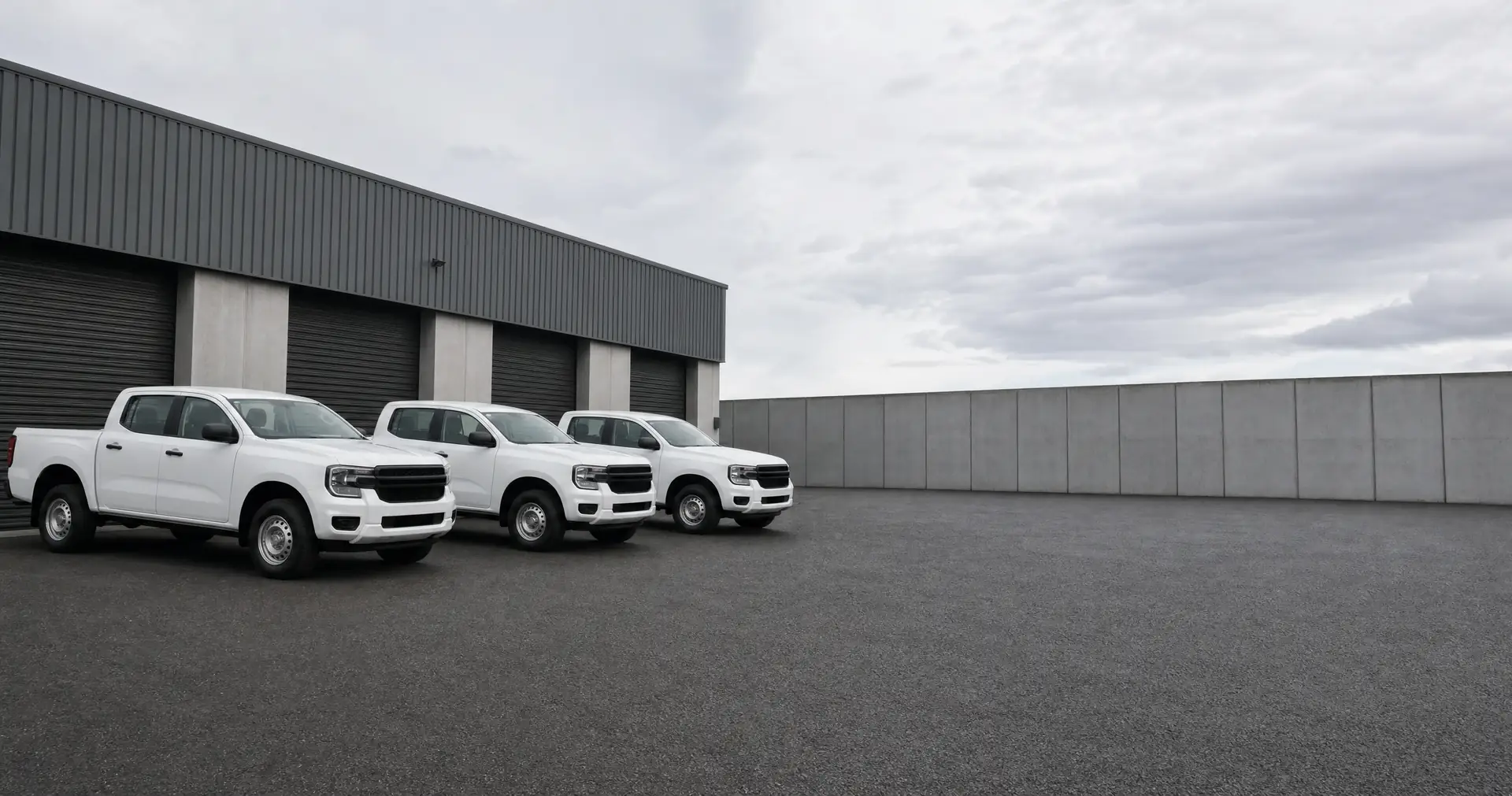
Asset-secured finance for utes, vans, trucks, and business fleet. Indicative 8% to 13% per annum on chattel mortgage. The vehicle itself is the security.
Last reviewed 5 May 2026
Indicative repayment
Weekly
$294/week
Indicative only. Not a quote or offer of credit. Actual rates, fees, and repayments depend on the business profile and the lender's decision.
Sending to Prospa
5 years at 10.00%. Prospa will ask a few quick questions, then provide a firm quote and funding if eligible.
Redirecting…
Indicative only. Why we say this












6 dedicated guides covering the indicative price band, term, GST and IRD depreciation treatment, and specialist lender pool that fits each asset class.
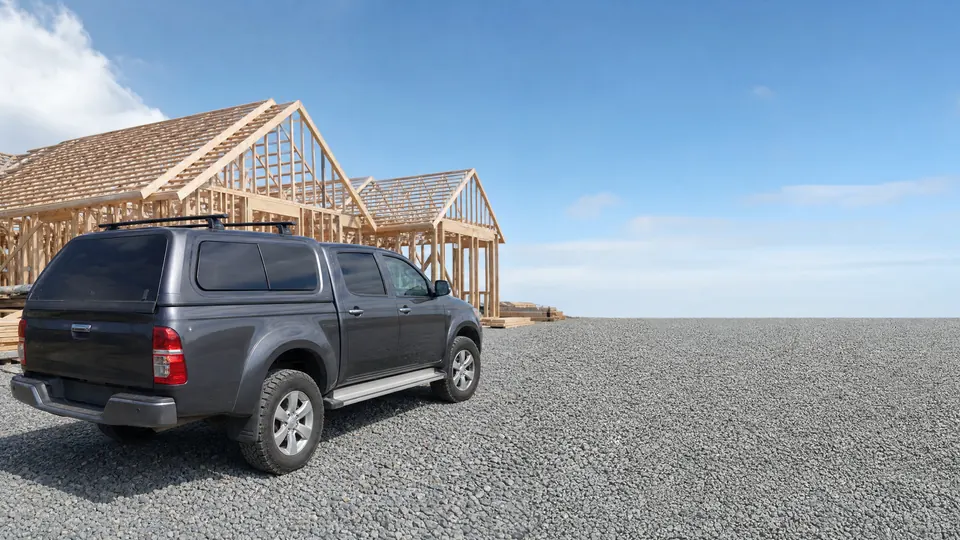
Hilux, Ranger, Amarok, BT-50, D-Max and other light commercial utes for NZ tradies and owner-drivers. Indicative bands, IRD depreciation, GST, FBT, PPSR.
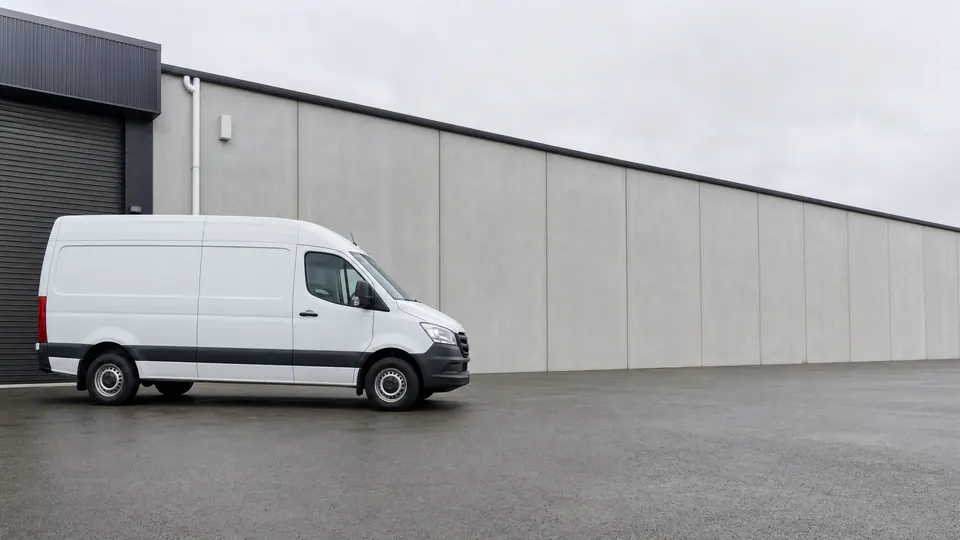
Hiace, Transit, Sprinter, Master, Vito, LDV Deliver 9 delivery vans for NZ courier, last-mile, mobile trades and tradesperson use cases. Indicative bands and tax framing.
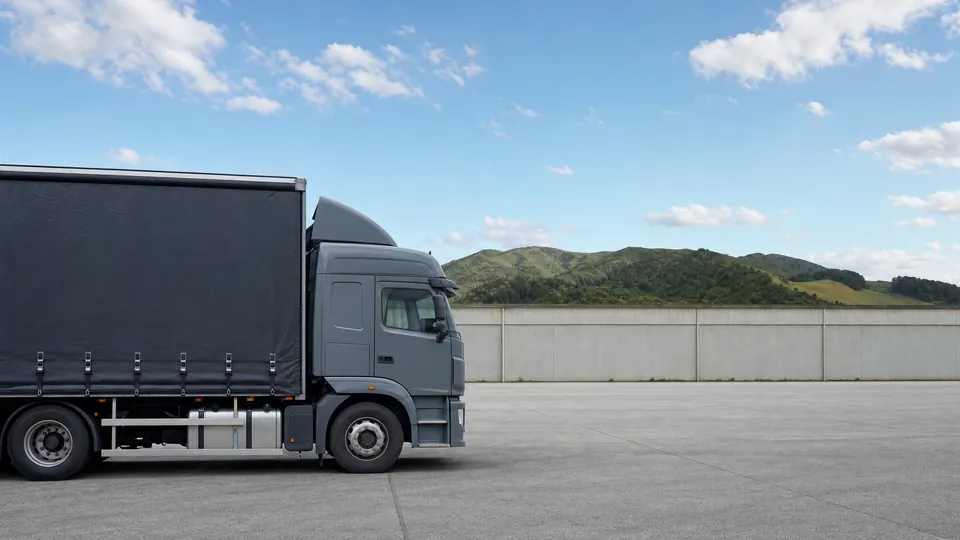
Light, medium, and heavy trucks (Fuso, Isuzu, Hino, Scania, Daimler). NZTA Class 2/4/5 licence, RUC weight bands, COF every 6 months, captive finance options.
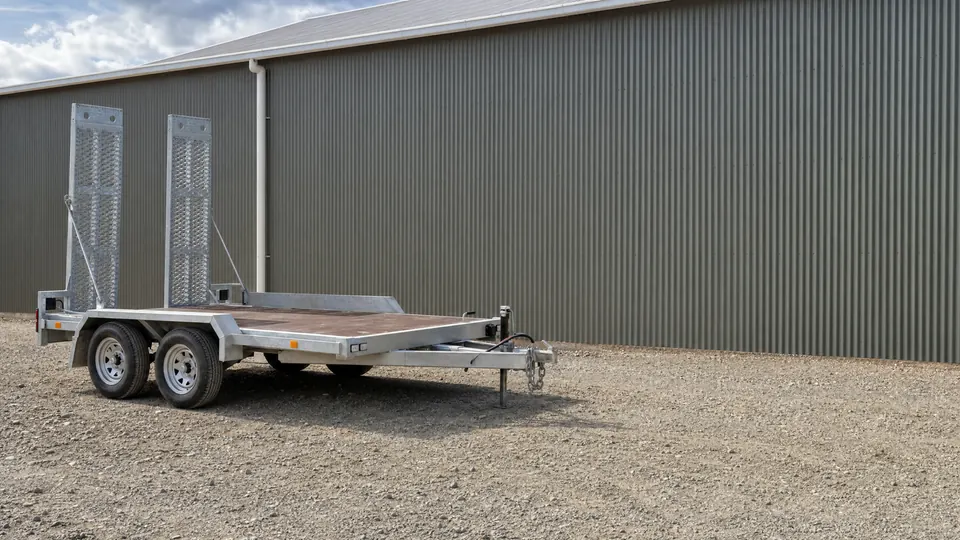
Box, curtain, tipper, tanker, low-loader trailers (Domett, Patchell, Mills-Tui body builders). NZTA registration, IRD depreciation, GST treatment, NZ logistics and trades use.
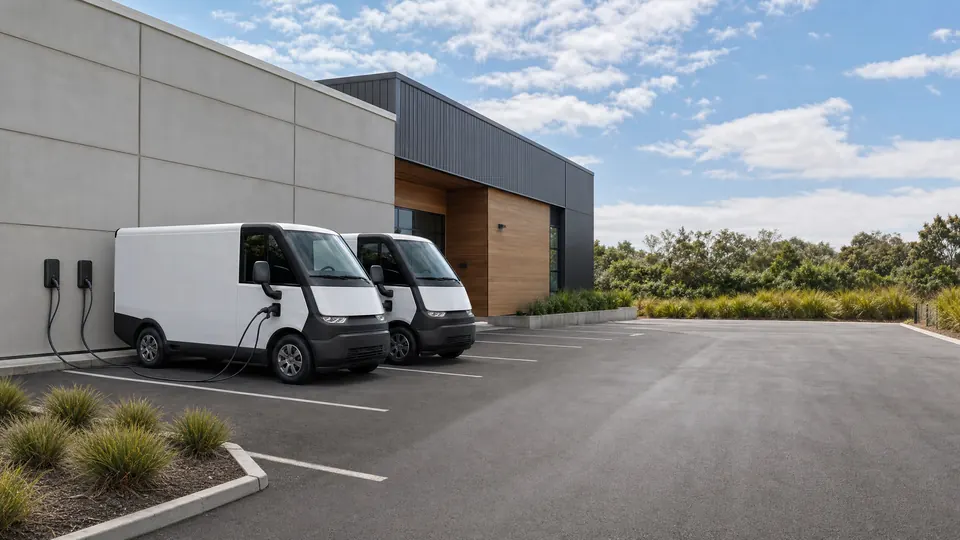
Tesla, BYD, Polestar, electric vans (eVito, eSprinter, e-Master), EV utes (limited NZ availability). ANZ Business Green Loan and Westpac Sustainable Business Loan exposure, IRD low-emissions guidance, and the RUC differential for EVs under the Road User Charges Act 2012.
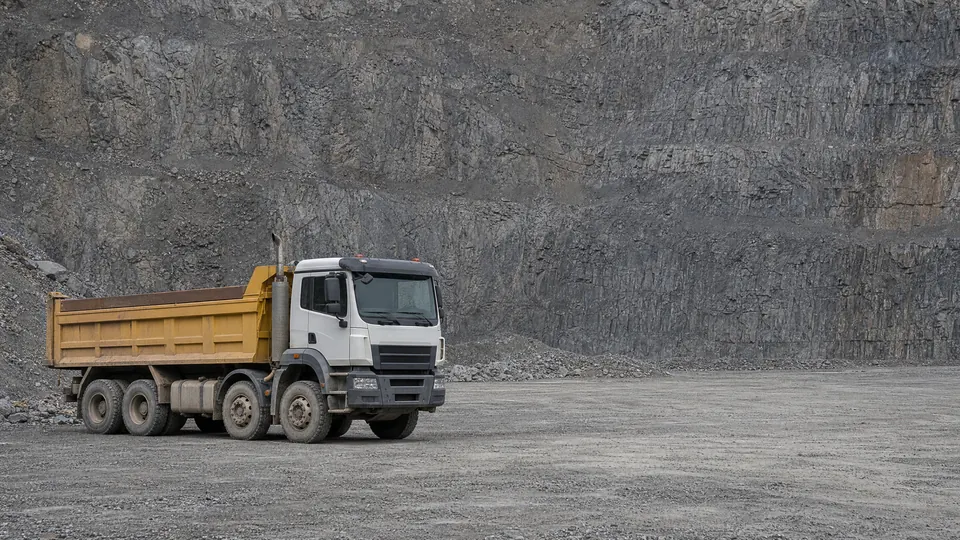
B-train, prime mover, B-double, heavy haulage at 40+ tonnes. Indicative $200K-$700K+ per unit, NZTA Class 5 licence, UDC heritage since 1937, Scania and Daimler manufacturer finance, 5 to 10 year depreciation cycles.
Quick answer
What it is
Vehicle finance for business is asset finance specifically against motor vehicles used for business purposes. The structure mirrors equipment finance (chattel mortgage, hire purchase, finance lease), with vehicles benefiting from deeper resale markets and accordingly higher loan-to-value ratios.
Common asset classes covered: utes (single, double, extra cab), vans (delivery, courier, passenger), trucks (light, medium, heavy commercial), prime movers, trailers, and passenger fleet. Each class has slightly different LVR and rate band economics based on resale liquidity.
NZ business vehicle finance is dominated by specialist lenders (UDC Finance, MTF Finance, Heartland Bank) and the major banks. Dealer finance is also common because the dealer commonly arranges the loan as part of the vehicle sale. The asset itself is the security, registered on the PPSR.
Amount
$10K to $500K+
Term
1 to 5 years
Security
The vehicle (PPSR)
Rate band
8% to 13% indicative
Vehicle classes
Hilux, Ranger, BT-50, Triton, Amarok. Largest segment of NZ business vehicle finance.
Hiace, Transit, Sprinter, Crafter. Strong in trade, courier, mobile services.
Up to 7.5T GVM. Curtain-side, refrigerated, tray. Mainstream commercial.
Class 4 and Class 5 trucks, prime movers. Larger amounts; specialist underwriting.
Curtain-sider, flat-deck, refrigerated. Often financed alongside the prime mover.
Sales rep cars, tool-of-trade vehicles. FBT considerations apply.
Structure choice
| Feature | Chattel mortgage | Hire purchase | Finance lease | Operating lease |
|---|---|---|---|---|
| Ownership during term | Borrower | Lender | Lender | Lender |
| GST claim | Upfront | On payments | On payments | On payments |
| On balance sheet | Yes | Yes | Yes | No |
| Residual | No (paid in full) | Optional | Common | Always |
| Suits | GST upfront preferred | Simple ownership transfer | Cash-flow predictable | Off-balance-sheet preferred |
Vehicle finance carries two tax dimensions beyond standard interest deductibility, and both depend on the specific business position, subject to the accountant's confirmation. GST treatment depends on the structure: chattel mortgage allows the GST to be claimed upfront in the next GST return after settlement, while hire purchase and lease structures claim GST on each payment. Where the vehicle has any private use (a sales rep car, a director's company vehicle), FBT (fringe benefit tax) applies on the private-use portion. The interaction between depreciation, GST claim, and FBT is non-trivial; the tax treatment is general in nature and subject to the accountant's confirmation on the specific business position.
How it works
01
Pre-application
Identify the vehicle (new or used), seller (dealer or private), and purchase price. Pre-purchase inspection commonly recommended on used vehicles, particularly for heavy commercial classes.
02
Day 1
NZBN, business owner ID, vehicle details, requested amount and term. Dealer-arranged finance commonly bundles the application into the purchase contract.
Documents commonly required
03
Day 1 to 2
Last 6 months business bank statements (often via secure feed). Credit checks on business and directors. Lender assesses against turnover and existing debt.
Documents commonly required
04
Day 1 to 5
On approval, contract issued for digital signing. Settlement between lender and seller. PPSR registration over the vehicle. Direct debit established for weekly or monthly repayments.
Dealer-arranged finance commonly settles same-day or next business day. Online applications run similarly fast for clean profiles. Heavy commercial or specialist vehicles add an underwriting step and typically run 3 to 7 days.
Worked scenarios
Indicative weekly costs and structures across three different NZ businesses financing vehicles.
Construction
An East Tamaki plumber upgrading from a 2018 Hilux to a 2026 Ranger Wildtrak. Asset purchase price $76,000 ex-GST. Trade-in covers $14,000 deposit. Trading 8 years, GST-registered, $38K monthly turnover.
The structure was a chattel mortgage on the balance ($62,000) at an indicative 9.5% p.a. across 5 years. GST of $9,300 typically claimed in the next GST return after settlement, subject to accountant confirmation.
Indicative figures
Transport and logistics
A Te Rapa freight operator buying a new prime mover for fleet expansion. Total $180,000 ex-GST. Trading 7 years, established lender relationship.
The structure was a chattel mortgage at an indicative 10% p.a. across 5 years, PPSR-registered. Heavy commercial pricing slightly above ute pricing because of narrower used-truck market.
Indicative figures
Courier and delivery
A Petone courier operator buying three new Hiace vans to expand a depot run. Total $135,000 ex-GST. Trading 4 years, $80K monthly turnover.
The structure was a chattel mortgage on the three vans at an indicative 9.5% p.a. across 4 years. Single contract covers the three vehicles for administrative simplicity.
Indicative figures
Lenders
Best for broadest NZ asset-finance lender
Long-established NZ asset-finance lender. Strong on utes, trucks, and commercial vehicles. ANZ-owned.
Indicative rate band:8% to 12% p.a.
Read onBest for dealer-arranged vehicle finance
NZ-owned NZX-listed asset-finance lender. Dealer network across NZ. Strong on used vehicles.
Indicative rate band:8% to 13% p.a.
Read onBest for NZ-bank vehicle finance
NZ-owned bank with strong asset-finance presence. Mid rate band.
Indicative rate band:9% to 13% p.a.
Read onBest for best rate, larger fleet
Major-bank vehicle finance commonly priced lowest on clean applications and larger fleet purchases.
Indicative rate band:8% to 11% p.a.
Read onBest for broader credit, used vehicles
Specialist for used commercial vehicles and harder credit profiles. Higher rate band.
Indicative rate band:10% to 14% p.a.
Read onTrade-offs
When it goes wrong
Vehicle finance is asset-secured (PPSR), which means clearer recovery rights for the lender than unsecured lending. The trade-off is that the vehicle itself is at risk if the loan defaults.
A handful of late or missed scheduled payments commonly triggers a lender check-in. The lender will typically work with a borrower whose underlying business is solvent on a payment plan.
What happens:Late fees apply ($20 to $50 per missed payment). Credit file marks accumulate. Continued non-payment moves to formal default within 60 to 90 days arrears.
On formal default, the lender retains the security interest registered on the PPSR over the vehicle and after statutory notice can move to repossession.
What happens:Vehicle is repossessed and sold by the lender. Sale proceeds applied to outstanding balance. Any shortfall pursued under the personal guarantee directors typically provide.
In voluntary administration or liquidation, the financed vehicle is treated as the lender's collateral. The lender ranks as a secured creditor for the asset value; any shortfall ranks unsecured.
What happens:Vehicle returns to the lender. Director PG creates personal liability for shortfall. Personal credit files mark for 5 years.
Default is typically uncommon on standard NZ business vehicle finance. Lenders are commercial, and payment-plan negotiations on temporary cash setbacks are widely available, so problems are commonly caught and resolved before formal default.
Indicative pricing by vehicle type
Vehicle finance prices off how liquid the vehicle is on the New Zealand used market. A late-model double-cab ute has hundreds of comparable sales behind it and a lender can model recovery closely; a specialised body or an imported model with a thin local market cannot be modelled the same way and prices accordingly.
| Vehicle type | Indicative rate | LVR new | LVR used | Typical term |
|---|---|---|---|---|
| Double-cab ute | 8% to 12% | Up to 100% | 85% to 95% | 3 to 5 years |
| Van or light commercial | 8% to 12% | Up to 100% | 80% to 95% | 3 to 5 years |
| Passenger car, mainstream | 9% to 13% | 90% to 100% | 80% to 90% | 3 to 5 years |
| Fleet, three or more units | 8% to 11% | Up to 100% | 80% to 90% | 3 to 5 years |
| Electric or hybrid | 8% to 13% | 85% to 95% | 70% to 85% | 3 to 5 years |
| Truck over 6 tonnes | 9% to 14% | 90% to 100% | 70% to 90% | 4 to 7 years |
| Specialised body or import | 10% to 15% | 70% to 90% | 60% to 80% | 3 to 5 years |
Indicative bands only, not a quote or offer of credit. Actual rate, LVR and term are set by the lender after credit assessment and depend on trading history, deposit, vehicle age and condition, and the specific resale market.
Common pitfalls
The rate is usually the least interesting number in a vehicle finance transaction. These six change the total cost more.
Dealer-arranged finance is convenient and the origination margin is built into the rate. Holding an approval from a direct lender before walking in changes the conversation and commonly the price.
A residual keeps the weekly repayment down and falls due as a lump sum. Where the balloon is set above what the vehicle is indicatively expected to be worth by then, refinancing it means borrowing against a vehicle already several years old.
Road user charges on diesel and on electric vehicles, insurance with the lender noted, servicing and tyres are the real weekly cost of the vehicle. The finance repayment is only part of it.
Where a business vehicle is also used privately, the interest and depreciation are generally apportioned and fringe benefit tax may apply, both subject to the accountant confirmation. Deciding this after year one is harder than before.
Comprehensive cover with the lender noted is commonly a settlement condition. On a young driver or a high-value ute the premium can materially change whether the purchase works.
The PPSR registration has to be discharged before clean title passes. Early settlement figures and any break cost are worth knowing before the vehicle is listed rather than after a buyer is found.
Fleet
A single vehicle and a fleet of six are different transactions even where the total borrowed is similar. New Zealand lenders commonly offer a master facility for fleet, which approves a total limit that individual vehicles are drawn against as they are bought, rather than requiring a fresh application each time.
The administrative saving is the obvious benefit. The pricing benefit is real too: fleet lending commonly attracts a lower rate than the same amount across separate contracts, because the lender is assessing the business once and holds security over several vehicles rather than one.
Replacement cycles become the planning question. A fleet bought together comes up for replacement together, which concentrates both the capital requirement and the resale into the same window. Staggering purchases costs a little more in administration and removes a large lump from the forecast.
Operating leases and full-maintenance leases become genuinely competitive at fleet scale in a way they rarely are on a single vehicle, because the lessor is spreading residual-value risk and servicing cost across a portfolio. For a business that replaces vehicles on a fixed cycle and values a predictable monthly figure over ownership, that comparison is worth running properly rather than assuming ownership wins.
Ownership or rental
Own it
The business ends the term holding the vehicle, and whatever it is worth then belongs to the business. On a ute or van that has been maintained, that residual value is commonly a meaningful part of the deposit on the next one.
The GST treatment is typically the practical difference operators notice first. Under a chattel mortgage the GST-registered business is treated as the owner and the GST component is typically claimable in the next return, subject to the accountant confirmation, which helps cash flow materially on a $70,000 purchase.
The exposure is residual-value risk. Where the market for that model softens, or the vehicle has done far more kilometres than expected, the business carries the difference rather than the lender.
Rent it
An operating lease is a rental. The vehicle goes back at the end of the term, the residual-value risk sat with the lessor throughout, and the monthly figure is predictable from day one. That predictability is the whole product.
It suits businesses that replace vehicles on a fixed cycle, that want the cost to read as an operating expense rather than an asset and a liability, and that would rather not manage a disposal every few years. Full-maintenance leases fold servicing and tyres in as well.
Return conditions are the part to read before signing. Fair wear and tear is defined in the agreement, and a vehicle that has spent four years on unsealed roads and building sites can attract end-of-term charges that were not in the comparison when the monthly figures were set side by side.
Running cost
Comparing two vehicles on their weekly finance repayment alone is the most common way a New Zealand business ends up with the more expensive one. Four costs sit alongside the repayment and together they commonly exceed it.
Road user charges apply to diesel vehicles and to electric and plug-in hybrid vehicles, and the rate depends on the vehicle weight class. For a business covering high mileage in a diesel ute, RUC is a material weekly line rather than a rounding item, and NZTA publishes the current rates.
Insurance is the second, and on business vehicle finance it is generally not optional: comprehensive cover with the lender noted as an interested party is commonly a settlement condition and required for the term. The premium varies widely with the vehicle, the drivers and the use, and quoting it before committing to the purchase rather than after approval avoids an unwelcome adjustment.
Servicing, tyres and certification make up the third. A vehicle working on unsealed roads and building sites reaches service intervals faster than the manufacturer schedule assumes, and commercial vehicles require a certificate of fitness at intervals rather than an annual warrant.
The fall in resale value is the fourth, and on most vehicles it is the largest of them even though no money leaves the account for it. The difference between what a vehicle cost and what it is worth at the end of the term is a real cost of ownership, and it is the number an operating lease is quietly pricing when its monthly figure looks high next to a finance repayment. A vehicle that holds its value well can be the cheaper choice over five years despite a higher purchase price, which is a comparison worth running on the two or three models actually under consideration rather than in the abstract.
References
NZ heavy vehicle regulatory framework.
IRD guidance on the tax treatment of business vehicles, including fringe benefit tax.
FBT framework for business vehicle private use.
Where vehicle finance security is registered.
NZ commercial vehicle registration trends.
NZ vehicle and fleet data.
Browse by asset
FAQ
Business vehicle finance is asset finance specifically against motor vehicles used for business purposes: utes, vans, trucks, prime movers, and passenger fleet. The structure mirrors equipment finance (chattel mortgage, hire purchase, finance lease), with the vehicle itself securing the loan via PPSR registration.
NZ business vehicle finance commonly runs $10K to $500K+ depending on vehicle class. LVRs typically reach 75% to 85% on mainstream utes and vans, 70% to 80% on light trucks, and 65% to 75% on heavy commercial. The achievable amount depends on the vehicle, deposit, and borrower profile.
Indicative rates run 8% to 13% per annum across NZ. Major banks price the lowest band (8% to 11%) on clean applications. Specialist lenders (UDC, MTF, Heartland) sit in 9% to 13%. Used vehicles, harder credit profiles, or specialist vehicles price at the upper end.
Chattel mortgage is typically chosen by businesses prioritising upfront GST recovery; hire purchase suits straightforward ownership transfer at end of term; finance lease suits cash-flow predictability with a residual; operating lease suits off-balance-sheet preferences. The right structure depends on the business position.
On a chattel mortgage, the GST is typically claimed upfront in the next GST return after settlement, subject to the accountant's confirmation and the business being GST-registered. On hire purchase and finance lease, the GST is typically claimed on each payment as incurred. The accountant is the right person to confirm the timing on a specific transaction.
Fringe benefit tax (FBT) applies where a business vehicle is available for private use by employees or directors. It is a separate tax obligation from PAYE and GST. The taxable benefit is calculated on the vehicle's cost or tax book value. The accountant typically calculates and files FBT; the rules are general in nature and subject to confirmation on the specific position.
Dealer-arranged finance commonly settles same-day or next business day. Online applications run similarly fast for clean profiles under $150K. Heavy commercial or specialist vehicles add an underwriting step and typically run 3 to 7 days. Major-bank vehicle finance can run 1 to 2 weeks.
A deposit is not strictly required but is common. Lenders commonly prefer a deposit of 10% to 25% of the vehicle value because it lowers the LVR. Trade-ins commonly cover the deposit. No-deposit finance is available, particularly on dealer-arranged products, though it typically prices at the upper end of the rate band.
NZBN, business owner ID, vehicle details (year, make, model, VIN), purchase contract or invoice, last 6 months business bank statements, and credit consent. Larger amounts may add a P&L. Self-employed applications may add an accountant letter.
Yes, used vehicles are widely financed. NZ specialist lenders (UDC, MTF, Avanti) write strong volumes of used commercial vehicle finance. Vehicle age, kilometres, and condition affect LVR and rate; pre-purchase inspections from AA or franchised dealers are commonly recommended on used heavy commercial.
Interest on vehicle finance is generally deductible against business income to the extent the vehicle is used for business, subject to the accountant's confirmation. Where the vehicle has private use, the deduction is apportioned. The accountant typically determines the apportionment annually.
On a chattel mortgage, the loan is paid in full and the PPSR security is discharged; the borrower owns the vehicle outright. On a hire purchase, the final payment includes the residual and ownership transfers. On a lease, the borrower returns the vehicle, refinances the residual, or pays it out depending on the structure.
Related
Asset finance
The broader category business vehicle finance sits inside.
Read onEquipment finance
The same finance structure applied to non-vehicle assets.
Read onUDC Finance
NZ specialist lender with broad vehicle finance presence.
Read onCourier and freight loans
Van and small-truck finance is the largest single use of business car finance.
Read onPlumber loans
Tools-and-van finance pattern across NZ trade sub-segments.
Read onDisclaimer
A business loan is a commitment that runs for months or years, and repayments come out of the same operating cash flow as everything else. Before committing, it is worth modelling the weekly and monthly cost against the business's working-capital position, which is what this site is built to help with. Borrowing at a level that stays comfortable through a quiet quarter, not just a strong one, is widely regarded as the safer frame.
What this site is
A calculator and information tool. Not a lender, not a broker, not a registered financial adviser. Nothing here is personalised financial advice.
What the figures show
Modelled estimates based on the inputs you enter. Not a quote. Not an offer of credit. Not a guarantee of approval, rate, or fees.
What the lender decides
Final rates, fees, and approval are set by the lender after a CCCFA-appropriate assessment of the applicant's circumstances and credit decision.
Commercial disclosure
Businessloans.org.nz earns a commission from Prospa when a visitor applies through this site and their application is approved. The commission is paid by Prospa, not by the borrower, and it does not influence the rate Prospa offers. Full disclosure on the partner page.
Tax, GST, and accountant framing
Tax-treatment statements (GST claim timing, interest deductibility, depreciation rates) are general in nature and subject to your accountant's confirmation on the specific business position. For material amounts, professional advice from a registered financial adviser or chartered accountant is widely regarded as the safer frame.